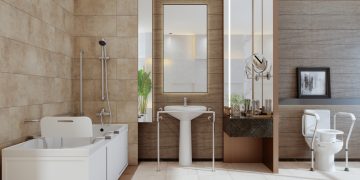

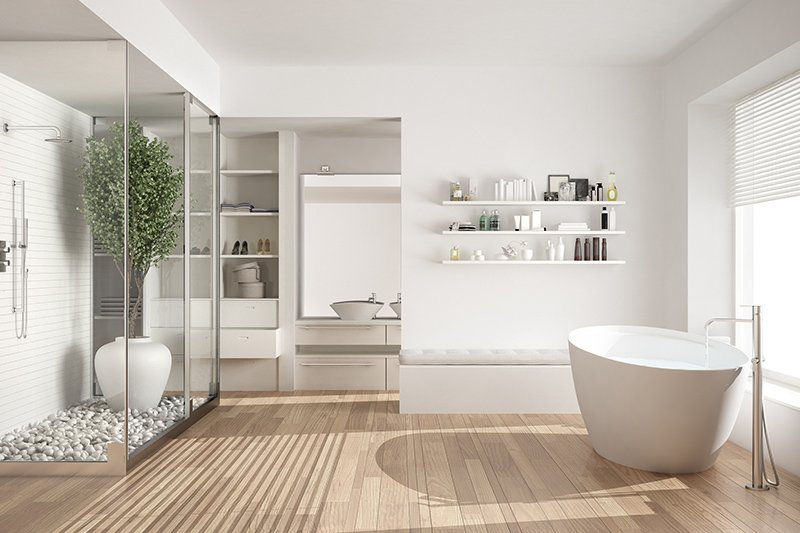
A well-designed bathroom is not only about fittings and layout. The materials used throughout the space have a major effect on how it looks, feels, and functions over time. From wall finishes to flooring and fixtures, each choice contributes to the overall atmosphere, especially when selecting surfaces like bathroom tiles that combine durability with visual appeal.
When selected carefully, materials can make even a compact bathroom feel brighter, more refined, and more comfortable. In fact, studies in interior design consistently show that surface materials and colour palettes directly affect how spacious and inviting a room feels. The key is to balance visual appeal with practicality, so the room remains attractive while standing up to daily use.
Start with a Cohesive Surface Palette
One of the easiest ways to improve bathroom aesthetics is to create a consistent material palette. Bathrooms often contain several different surfaces in a relatively small area, so too many finishes can make the space feel cluttered or disjointed.
Choosing materials that work well together helps create a cleaner and more polished appearance. This does not mean everything has to match exactly. Instead, aim for finishes that complement each other in tone, texture, or style. Soft stone effects, warm neutrals, matte surfaces, and subtle patterns often work well together, giving the room a calm, balanced look.
A cohesive palette also makes it easier to highlight specific features, such as a statement vanity, a walk-in shower, or decorative lighting. Designers often follow a simple rule: limit the palette to three or four main finishes to maintain visual harmony.
Choose Wall and Floor Finishes That Add Depth
The walls and floor take up most of the visible space in a bathroom, so their finish has a strong influence on the room’s character. Smooth, reflective surfaces can make the area feel lighter and more open, while textured materials add warmth and depth.
Many homeowners turn to bathroom tiles because they offer both visual variety and reliable performance in moisture-prone spaces. Tiles are widely used in bathrooms due to their low water absorption rate and durability, making them one of the most practical long-term surface options.
Larger tiles often create a cleaner appearance with fewer visible grout lines, which can help smaller bathrooms feel less busy. On the other hand, smaller tiles can be effective for feature walls, shower niches, or decorative borders where a little detail adds interest.
Use Texture to Create a More Refined Look
A bathroom does not need bold colours or elaborate decoration to feel stylish. In many cases, texture does more to elevate the space than strong visual contrast. Materials with a tactile quality can make the room feel layered and thoughtfully designed.
For example, wood-effect finishes can soften the look of hard surfaces without introducing the maintenance concerns associated with real timber in humid conditions. Stone-inspired materials can add a sense of luxury, while brushed metals and ribbed glass bring a contemporary edge.
The most successful bathrooms usually combine a few different textures in a controlled way. A matte floor, a glossy wall finish, and a natural-look vanity can work together beautifully when the colours remain well balanced. This layered approach is commonly used in modern interior design to create depth without overwhelming the space.
Think Carefully About Colour and Light
Materials do not exist in isolation. Their appearance changes depending on lighting, room size, and surrounding colours. A bathroom that receives little natural light may benefit from pale finishes that reflect brightness and prevent the space from feeling enclosed.
Lighter materials can help create an airy and spacious effect, especially when used on walls and floors. Soft whites, warm greys, beige tones, and muted stone shades are often reliable choices. Interior studies suggest that lighter colour palettes can make a room appear up to 10–15% larger visually due to increased light reflection.
Gloss and sheen also affect how light moves through the room. Polished finishes can brighten the space, while mattes offer a calmer and more understated appearance. The best option depends on the style you want to achieve and how much maintenance you are prepared to manage.
Pay Attention to Practical Details
A beautiful bathroom must also be functional. Even the most attractive material will lose its appeal if it is difficult to clean, unsuitable for damp conditions, or prone to wear. Practicality should always support the design rather than compete with it.
Water resistance, durability, slip resistance, and ease of maintenance all matter when choosing bathroom materials. Flooring should feel secure underfoot, especially in family bathrooms. Wall finishes should withstand steam and splashes. Surfaces around sinks and baths should be easy to wipe clean without constant upkeep.
For example, slip-resistant flooring is often recommended in wet areas to reduce the risk of accidents, particularly in households with children or older adults. Choosing the right finish can improve both safety and longevity.
Add Interest Without Overcomplicating the Space
Improving bathroom aesthetics does not require filling the room with decorative elements. In fact, a simpler approach often feels more elegant. Well-chosen materials can do much of the visual work on their own.
A feature wall in the shower area, a contrasting floor finish, or a textured splashback behind the basin may be all that is needed to give the room character. These details can add visual interest while preserving a clean and uncluttered overall design.
The aim should be to guide the eye rather than overwhelm it. A few intentional material choices usually have more impact than too many competing features. This approach aligns with modern design principles, where simplicity and clarity often lead to more timeless results.
Conclusion
The right materials can completely change the look and feel of a bathroom. They shape the room’s style, influence how spacious it appears, and determine how well it performs in everyday use. By focusing on cohesion, texture, colour, and practicality, it becomes much easier to create a bathroom that feels both attractive and functional.
A thoughtfully designed bathroom does not rely on excess. It relies on selecting materials that work beautifully together and support how the space is used every day, ensuring both style and durability over the long term.