
Flooring is one of the most important design and functional choices in any property. It not only influences the aesthetics of a space but also impacts comfort, durability, maintenance needs, and even property value. Selecting the right flooring requires understanding the wide variety of materials, their pros and cons, and how they fit into your lifestyle and budget.
Why Flooring Matters
The type of flooring you choose sets the tone for your interior style. Whether it is a warm wooden floor that creates a cosy atmosphere or a sleek tile surface that brings a modern touch, the foundation underfoot affects how you experience every room. In addition, flooring plays a practical role, supporting foot traffic, withstanding wear and tear, and offering safety features like slip resistance.
Types of Flooring Materials
Hardwood Flooring
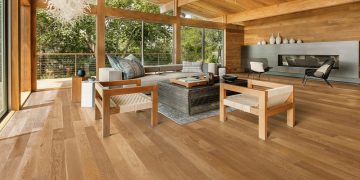
Hardwood remains one of the most popular options because of its timeless appeal. Made from natural wood species such as oak, maple, or walnut, it can be sanded and refinished multiple times. This gives it an extended lifespan and adaptability to changing design trends. However, it requires proper care to avoid scratches, dents, and moisture damage.
Laminate Flooring
Laminate offers the look of wood or stone at a more affordable price point. It consists of a photographic image layer under a clear protective coating, supported by composite materials. It is easy to install, often featuring click-lock systems, and is highly resistant to stains and scratches. The main drawback is that it cannot be refinished like hardwood.
Vinyl Flooring
Vinyl has evolved significantly, now available in luxury vinyl tiles (LVT) and planks that convincingly mimic wood, stone, and ceramic. It is water-resistant, making it ideal for kitchens and bathrooms, and cushioned underfoot for added comfort. It also offers budget-friendly options without sacrificing style.
Tile Flooring
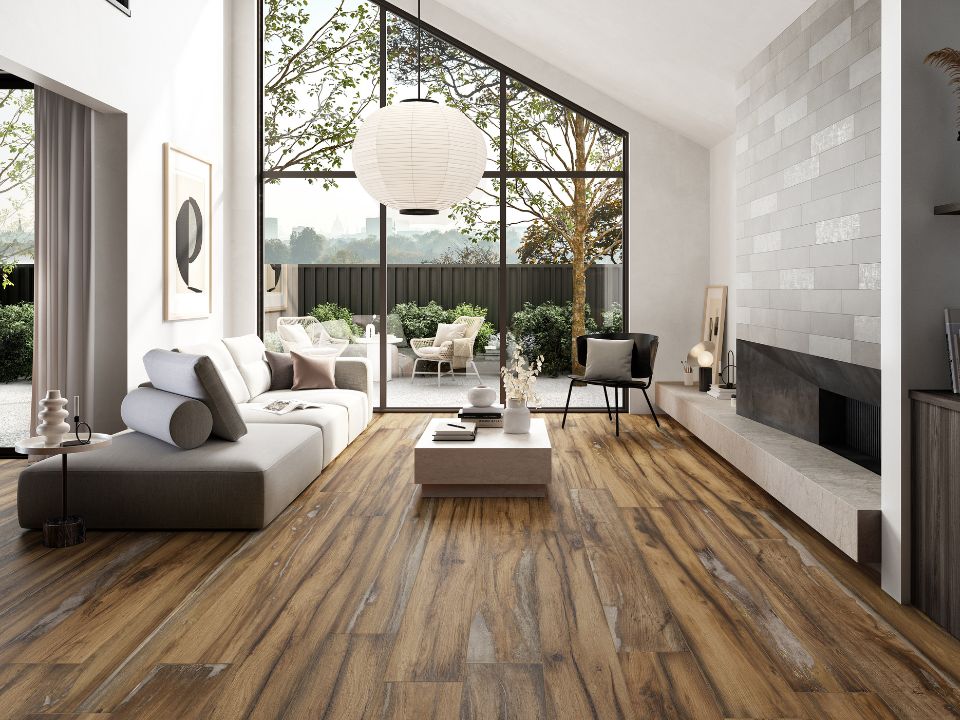
Ceramic and porcelain tiles are valued for their durability and wide range of styles. They are resistant to water, heat, and stains, making them perfect for high-moisture areas. Porcelain is denser and less porous than ceramic, giving it enhanced strength. Tiles can be cold underfoot, but underfloor heating systems can resolve this issue.
Stone Flooring
Natural stone, such as marble, granite, slate, or travertine, brings elegance and a sense of luxury. Each stone piece has unique veining and patterns, adding character to your home. Although highly durable, stone requires sealing and regular maintenance to prevent staining and etching.
Carpet Flooring
Carpet is the go-to option for comfort, warmth, and sound insulation. Available in numerous fibres, textures, and colours, it can soften the feel of bedrooms and living rooms. However, it requires regular cleaning and may not be suitable for households with allergies.
Concrete Flooring
Once limited to industrial use, polished concrete is now a trendy choice in modern homes. It offers strength, minimal maintenance, and a sleek aesthetic. Concrete can also be customised with stains, dyes, or textured finishes to add character.
Factors to Consider When Choosing Flooring
-
Room Usage: High-traffic areas such as hallways benefit from durable surfaces like tiles or laminate, while bedrooms may feel more inviting with carpet or hardwood.
-
Moisture Resistance: Bathrooms, kitchens, and basements need flooring materials that resist water, such as vinyl or porcelain tile.
-
Budget: Consider both the upfront installation cost and long-term maintenance. Some materials like hardwood may cost more initially but offer decades of use.
-
Lifestyle: Families with children or pets need scratch-resistant and easy-to-clean flooring, whereas design-focused homeowners may prioritise style.
-
Maintenance: Some options require regular sealing, refinishing, or special cleaning products, while others can be maintained with simple sweeping and mopping.
Flooring and Property Value
Flooring plays a significant role in home resale value. Hardwood, natural stone, and high-quality tile tend to attract buyers more than basic carpeting or outdated vinyl. Upgrading flooring in main living areas can provide a strong return on investment, making it a smart renovation choice.
Installation Options
-
Professional Installation: Recommended for stone, tile, and hardwood, as improper installation can compromise durability.
-
DIY-Friendly Choices: Laminate and click-lock vinyl are suitable for homeowners who prefer a hands-on approach.
-
Floating Floors vs. Fixed Floors: Floating floors use interlocking systems without glue or nails, making them faster to install. Fixed floors, like tile or nailed hardwood, provide a more permanent solution.
Sustainability in Flooring
Eco-friendly flooring choices are increasingly important. Bamboo and cork are renewable resources, while reclaimed wood reduces environmental impact. Some vinyl and laminate products are now manufactured with recycled materials. Choosing sustainable flooring not only helps the planet but also adds a unique selling point for eco-conscious buyers.
Flooring Maintenance Tips
-
Wood: Use felt pads under furniture, clean spills immediately, and refinish when necessary.
-
Tile: Regularly clean grout lines to prevent staining and mould.
-
Vinyl: Sweep frequently to prevent grit from scratching the surface.
-
Carpet: Vacuum weekly and schedule deep cleaning at least once a year.
-
Stone: Apply sealant as required to maintain its resistance to moisture and stains.
Future Trends in Flooring
-
Smart Flooring: Some innovations include floors with built-in heating, motion sensors, or sound systems.
-
Textured Finishes: Matte and distressed surfaces are gaining popularity, adding rustic charm.
-
Large Format Tiles: Oversized tiles create a seamless look and reduce grout lines.
-
Sustainable Materials: Expect increased demand for bamboo, cork, and recycled composites.
FAQ Section
What flooring is best for underfloor heating?
Porcelain tiles and stone floors are highly efficient at conducting heat, making them ideal for underfloor heating systems.
How often should hardwood flooring be refinished?
Depending on foot traffic, hardwood should be refinished every 7–10 years to maintain its appearance and durability.
Which flooring is best for pets?
Vinyl and laminate are excellent choices for pet owners due to their scratch resistance and easy maintenance.
Can I install new flooring over existing floors?
Yes, many floating floors, such as laminate and vinyl planks, can be installed over old surfaces if the base is level and stable.
Is carpet still popular in modern homes?
Carpet remains popular in bedrooms and living rooms where comfort and warmth are prioritised, though many modern homes combine it with hard flooring in other areas.
What flooring lasts the longest?
Stone and properly maintained hardwood can last for decades, sometimes even over a century, making them long-term investments.