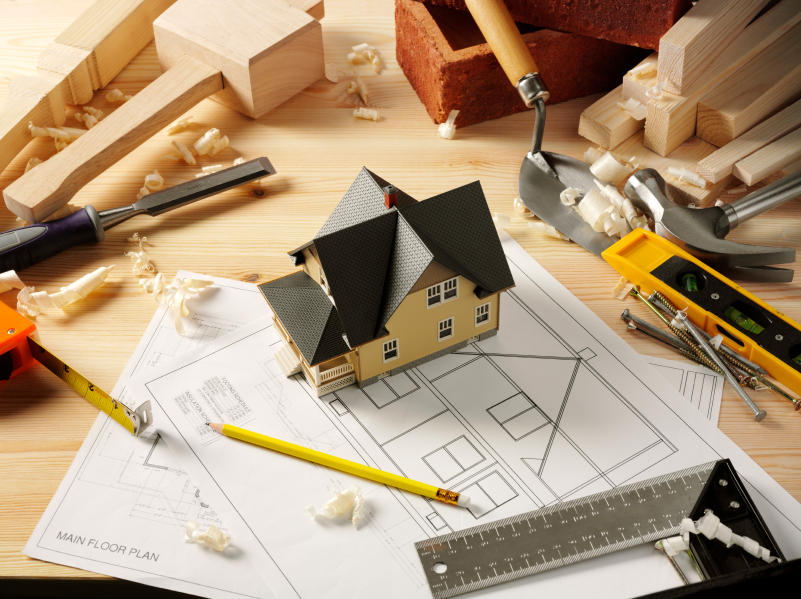

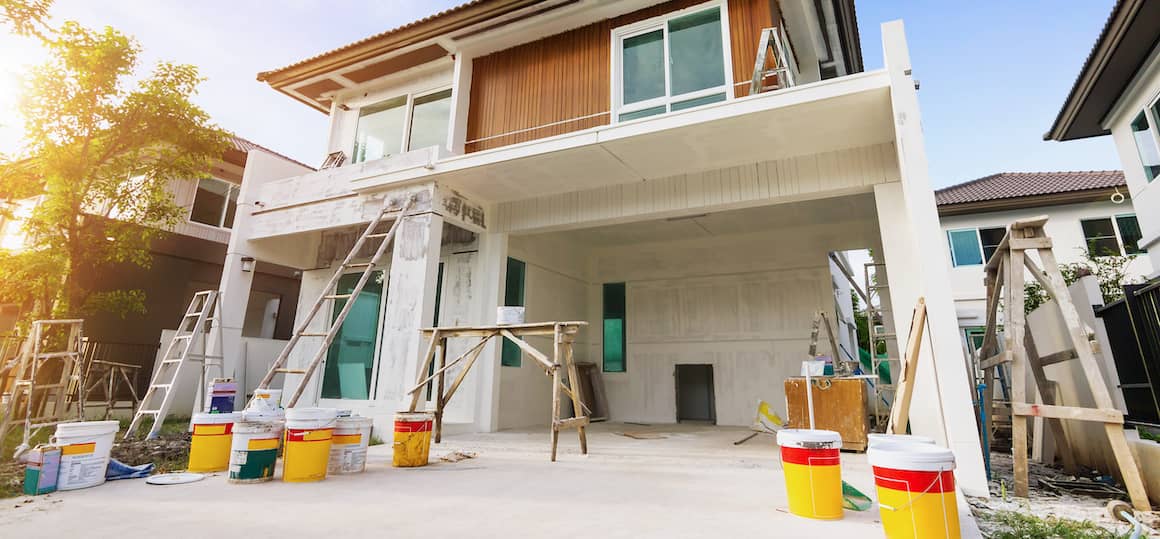
Improving your home is one of the most rewarding projects you can undertake. Not only does it enhance your comfort and lifestyle, but it also adds long-term value to your property. Home improvement ranges from small DIY projects to major renovations, and each decision has the potential to transform how you live in your space. In this guide, we will explore detailed strategies, practical advice, and innovative ideas that make home improvement a worthwhile investment.
Understanding the Importance of Home Improvement
Home improvement is more than just making your property look attractive. It is about creating a safe, functional, and efficient environment. Well-planned projects can reduce energy costs, improve daily convenience, and boost property resale value. By approaching it strategically, homeowners can turn ordinary spaces into tailored environments that match their personal needs.
Planning Your Home Improvement Project
Proper planning ensures that your project is successful and within budget. Before starting, evaluate your needs and set realistic goals.
Assessing Current Conditions
-
Inspect your home thoroughly for structural issues, leaks, outdated wiring, or inefficient insulation.
-
Identify areas that need urgent attention versus those that are more cosmetic.
-
Consider how improvements will affect the functionality of your living space.
Setting a Budget
A well-structured budget prevents overspending and ensures priorities are met.
-
Allocate funds for essentials first, such as repairs and safety upgrades.
-
Include an emergency buffer of at least 10–15% for unexpected expenses.
-
Factor in professional fees, materials, and permits.
Creating a Timeline
Establishing a realistic timeline is crucial.
-
Decide whether projects will be completed all at once or in stages.
-
Consider seasonal timing, especially for outdoor renovations.
-
Plan around major life events to avoid disruption.
Popular Home Improvement Areas
Kitchen Renovation
The kitchen is often the heart of the home, making it a key focus.
-
Cabinet Upgrades: Replace outdated cupboards or refresh them with a new coat of paint and modern handles.
-
Countertops: Choose durable materials like quartz or granite for long-term value.
-
Appliances: Invest in energy-efficient models to save on utility bills.
Bathroom Upgrades
Bathrooms significantly influence property value.
-
Add modern fixtures such as rainfall showers or freestanding bathtubs.
-
Improve ventilation systems to prevent mould growth.
-
Use water-saving taps and toilets to enhance sustainability.
Living Room Enhancements
-
Incorporate smart lighting for ambience and efficiency.
-
Install built-in storage to maximise space.
-
Upgrade flooring to hardwood or engineered wood for durability and style.
Bedroom Improvements
-
Focus on comfort with high-quality insulation and noise reduction.
-
Add fitted wardrobes for better organisation.
-
Create feature walls with wallpaper, textured panels, or paint.
Outdoor Spaces
-
Landscape gardens for kerb appeal and relaxation.
-
Add decking or patios for entertaining guests.
-
Incorporate outdoor lighting for safety and atmosphere.
Energy-Efficient Home Improvements
Sustainability is at the forefront of modern living. Investing in energy-efficient solutions reduces bills and supports eco-friendly living.
-
Install double-glazed windows to retain heat.
-
Use solar panels to generate renewable energy.
-
Improve insulation in lofts, walls, and floors.
-
Choose LED lighting over traditional bulbs.
DIY vs Professional Help
Not every project requires a contractor, but some definitely do.
When DIY is Suitable
-
Painting walls and ceilings.
-
Installing shelves or flat-pack furniture.
-
Small landscaping tasks.
When to Hire a Professional
-
Electrical and plumbing work, which require certification.
-
Structural changes such as knocking down walls.
-
Large-scale roofing or foundation repairs.
Home Improvement Safety Tips
Safety should never be overlooked during any project.
-
Wear protective gear such as gloves and goggles.
-
Keep tools organised and in good condition.
-
Ensure electrical systems are switched off before working.
-
Use ladders properly and avoid working alone for hazardous tasks.
Increasing Property Value Through Home Improvement
Strategic upgrades can significantly boost market appeal.
-
Kitchen and bathroom remodels often provide the highest return on investment.
-
Energy-efficient installations attract modern buyers.
-
Adding an extension or loft conversion creates additional living space.
-
Fresh paint and modern finishes enhance overall appeal.
Smart Home Technology in Modern Home Improvement
The rise of technology has transformed the way we manage homes.
-
Smart thermostats allow energy-efficient heating and cooling.
-
Automated lighting improves security and convenience.
-
Security cameras and smart locks enhance protection.
-
Voice-controlled devices offer seamless daily management.
Long-Term Maintenance and Care
Home improvement is not a one-time event. Maintaining upgrades ensures lasting results.
-
Regularly inspect roofs, gutters, and foundations for damage.
-
Repaint walls and refinish flooring to keep them fresh.
-
Service appliances annually to extend their lifespan.
-
Clean ventilation and air conditioning systems to maintain air quality.
FAQ Section
What are the most cost-effective home improvements?
Painting, upgrading lighting, and improving insulation are cost-effective projects that deliver noticeable improvements without heavy spending.
How can I improve my home without major renovations?
Focus on small changes such as rearranging furniture, adding plants, updating curtains, or upgrading lighting fixtures.
Does landscaping increase property value?
Yes, well-designed landscaping enhances kerb appeal, making homes more attractive to buyers and potentially increasing resale value.
How often should I update my kitchen?
On average, kitchens are updated every 10–15 years. However, minor updates such as new hardware or lighting can be done more frequently.
Are energy-efficient improvements worth the investment?
Absolutely. While initial costs may be higher, savings on energy bills and improved property value make them worthwhile.
Can smart home technology add value to my property?
Yes, buyers increasingly look for homes equipped with modern technology. Smart systems can make a property stand out in the market.