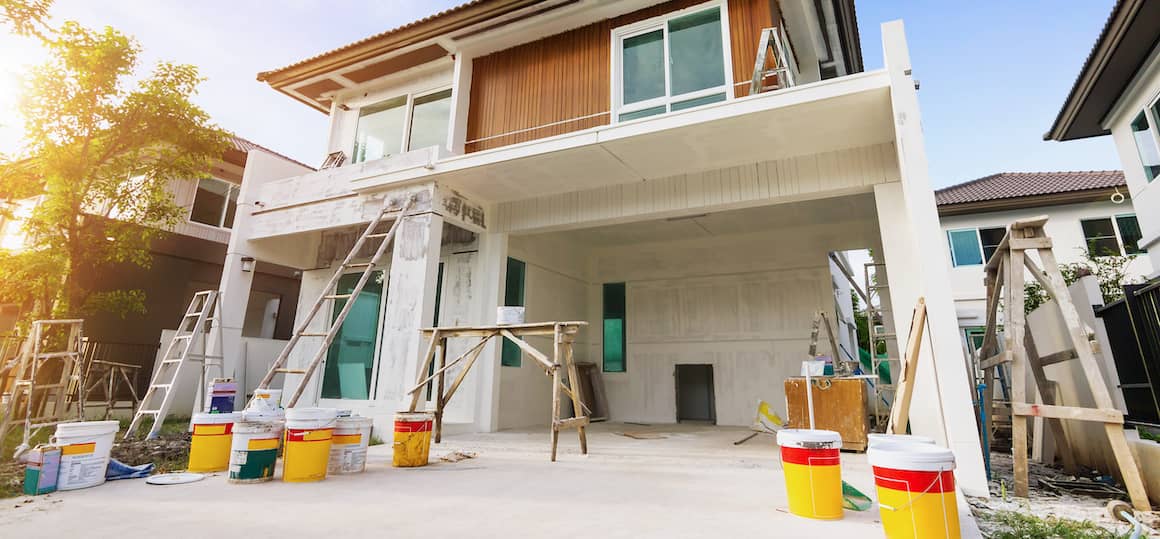

Home improvement is more than just repairing worn-out features in your house. It is about upgrading comfort, improving functionality, enhancing aesthetics, and often increasing property value. Whether you are a homeowner looking for a quick refresh or planning a large-scale renovation, understanding the principles of home improvement can help you make smarter choices. By focusing on quality materials, thoughtful design, and long-term usability, you can create a home that feels both inviting and practical.
Why Home Improvement Matters
A well-maintained and updated home offers a range of benefits. Beyond the obvious visual appeal, it creates a healthier, safer, and more energy-efficient living environment. Many people also choose to invest in home improvement projects to align their living space with changing lifestyles, such as remote work or growing families. In addition, a properly upgraded property often attracts higher resale value, which makes these improvements financially worthwhile.
Key reasons include:
-
Increasing comfort and convenience
-
Enhancing energy efficiency and reducing utility costs
-
Boosting property value for future resale
-
Improving safety and structural integrity
-
Reflecting personal style and lifestyle needs
Planning Your Home Improvement Project
Planning is the foundation of any successful renovation. Without a clear plan, it is easy to overspend, face delays, or end up with unsatisfactory results. Start by identifying which areas of your home need attention and prioritise them based on urgency and impact.
Setting a Realistic Budget
A budget guides your decision-making throughout the process. Allocate funds for materials, labour, and an additional buffer for unexpected expenses. It is better to slightly overestimate costs to avoid financial stress later.
Understanding Your Goals
Decide whether your project is cosmetic, such as painting and decorating, or structural, such as removing walls or adding an extension. Knowing your end goal helps in selecting the right design, contractors, and materials.
Gathering Inspiration
Look at design magazines, online platforms, and model homes to gather ideas. Creating a mood board can help visualise colour palettes, materials, and layouts before execution.
Key Areas of Home Improvement
Every part of the house contributes to its overall comfort and functionality. When planning renovations, consider both visible spaces and hidden systems.
Kitchen Upgrades
The kitchen is often called the heart of the home. Improving this space can dramatically boost property value and day-to-day convenience.
-
Replace outdated cabinets and worktops
-
Upgrade to energy-efficient appliances
-
Add functional storage with pull-out shelves or pantry units
-
Install modern lighting for both ambience and task areas
Bathroom Renovations
Bathrooms should balance functionality with relaxation. Focus on:
-
Water-saving fixtures such as low-flow taps and toilets
-
Durable and stylish tiles for walls and flooring
-
Proper ventilation to reduce damp and mould
-
Walk-in showers or freestanding bathtubs for luxury appeal
Living Room Enhancements
As a central gathering space, the living room should feel both inviting and practical.
-
Use layered lighting with ceiling fixtures, wall lamps, and floor lamps
-
Invest in durable flooring such as hardwood or engineered wood
-
Add built-in storage to reduce clutter
-
Refresh walls with neutral tones for flexibility in styling
Bedroom Improvements
Bedrooms should provide comfort and relaxation.
-
Upgrade insulation and soundproofing for better rest
-
Choose ergonomic furniture that maximises space
-
Add wardrobes with smart storage solutions
-
Opt for soothing colours and natural fabrics for a calming atmosphere
Outdoor Spaces
Curb appeal makes a strong impression. Enhance exteriors with:
-
Garden landscaping and seasonal planting
-
Decking or patios for outdoor entertainment
-
Exterior lighting for both safety and atmosphere
-
Upgrading front doors, windows, and exterior paint
Energy Efficiency and Sustainability
Modern home improvement increasingly focuses on sustainability. Energy-efficient homes save money in the long run and reduce environmental impact.
-
Install double or triple-glazed windows
-
Upgrade insulation in walls, lofts, and basements
-
Use LED lighting throughout the home
-
Consider renewable energy solutions such as solar panels
-
Use eco-friendly building materials with low VOCs
DIY vs Professional Help
While do-it-yourself projects can save money, certain tasks require skilled professionals to ensure safety and compliance with building regulations.
DIY Projects:
-
Painting and decorating
-
Installing shelves
-
Basic landscaping
-
Changing light fixtures
Professional Jobs:
-
Electrical rewiring
-
Plumbing installations
-
Structural changes
-
Roofing work
Hiring certified professionals may cost more initially but ensures long-lasting and safe results.
Smart Technology in Home Improvement
Smart homes are no longer futuristic concepts. Integrating technology into your renovation plan can make your home more convenient and efficient.
-
Smart thermostats to control heating
-
Automated lighting systems
-
Security cameras and smart locks
-
Voice-controlled assistants
-
Smart appliances in the kitchen and laundry
Avoiding Common Mistakes
Many homeowners make avoidable errors during renovation. Common pitfalls include:
-
Underestimating costs and timelines
-
Choosing trends over timeless designs
-
Neglecting ventilation and lighting
-
Overlooking necessary permits or approvals
-
Failing to consider resale value when selecting upgrades
FAQs on Home Improvement
What is the most cost-effective home improvement project?
Painting is one of the most affordable upgrades that delivers a significant visual impact. Fresh paint can brighten interiors and give exteriors a modern look without a large investment.
How do I decide which home improvement to prioritise?
Start with essential repairs, such as fixing leaks, roof damage, or faulty wiring. After safety and maintenance tasks, focus on areas with the highest return, such as kitchens and bathrooms.
Can home improvement increase property value immediately?
Yes, especially projects that enhance functionality and aesthetics. Kitchen and bathroom renovations, energy-efficient upgrades, and improved kerb appeal often boost resale value instantly.
Is it better to renovate or move?
This depends on your budget, emotional attachment to the property, and local housing market. Renovation can be more affordable than moving if the location and basic structure of your home are strong.
How do I manage stress during a large home improvement project?
Create a clear timeline, set realistic expectations, and maintain open communication with contractors. Breaking down projects into smaller phases also helps reduce stress.
Are smart home improvements worth the cost?
Yes, particularly in terms of energy savings, convenience, and security. Smart thermostats and lighting systems often pay for themselves over time through reduced utility bills.