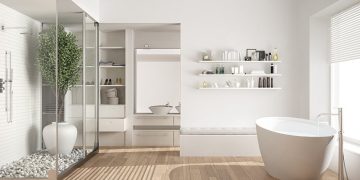

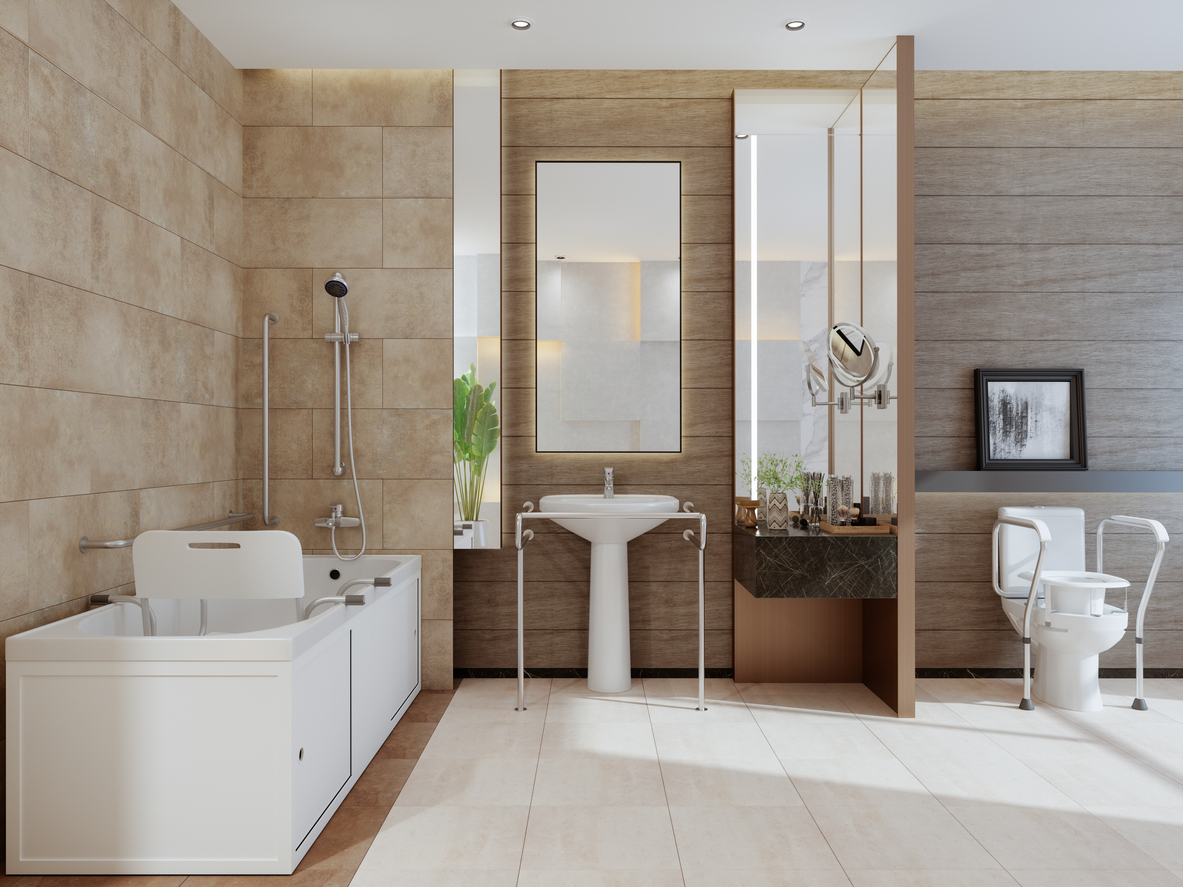
A bathroom has to work hard. It needs to provide practical storage, comfortable movement and reliable fixtures, while still feeling like a considered part of the home. The challenge is getting these elements to work together rather than allowing practicality to take over the design. With thoughtful planning, it is possible to create a space that feels stylish while making everyday routines easier.
For homeowners considering a Bathroom Installation , the planning stage is particularly important. A well-designed bathroom should reflect how the room will actually be used, from morning routines and storage needs to cleaning and getting ready for bed.
Start With How You Use the Space
Before choosing tiles, colours or fittings, think about the people who will use the bathroom and what they need from it. A family bathroom may need generous storage and durable surfaces, while an en-suite could benefit from a more compact layout and a stronger focus on convenience.
Consider the busiest times of day, too. If several people need to use the bathroom in the morning, the layout should allow enough room for movement without making the space feel cramped. Even small details, such as where towels are hung or where toiletries are kept, can make a noticeable difference.
Make the Layout Work Harder
Good bathroom design starts with the layout. The position of the shower, bath, toilet, basin and storage affects how easily you can move around the room and how spacious it feels.
In a smaller bathroom, choosing appropriately sized fittings can help preserve valuable floor space. Wall-mounted furniture, for example, can create a clearer floor area, while a well-positioned shower can make better use of a narrow room.
It is also worth considering door swings, windows and access points before committing to a layout. A beautiful suite will quickly become frustrating if a door opens into a cabinet or there is not enough clearance around the basin.
Choose Materials for Both Looks and Longevity
Style should not come at the expense of practicality. Bathrooms experience moisture, temperature changes and regular cleaning, so the materials used need to suit the environment.
Tiles are one of the most influential design choices because they cover large areas and can set the tone for the whole room. Large-format tiles can create a cleaner appearance with fewer visible grout lines, while smaller patterned tiles can introduce character and visual interest.
The same principle applies to flooring, worktops and furniture. Think about how each surface will look after months or years of everyday use, rather than judging it only in a showroom or catalogue.
Build Storage Into the Design
Clutter can make even a beautifully designed bathroom feel untidy. Storage therefore needs to be considered as part of the overall design rather than added as an afterthought.
Vanity units can provide useful space beneath the basin, while mirrored cabinets can combine storage with another essential bathroom feature. Open shelving can work well for towels and decorative items, although closed cupboards may be more practical for keeping everyday toiletries out of sight.
The key is to give frequently used items a convenient home. When everything has somewhere to go, keeping the room organised becomes much easier.
Use Lighting to Shape the Atmosphere
Bathroom lighting needs to be functional, but it can also influence how the space feels. A single overhead light may provide general illumination, but combining different types of lighting can create a more comfortable and flexible room.
Task lighting around a mirror is useful for activities such as shaving or applying make-up. Softer lighting elsewhere can make the bathroom feel calmer, particularly in the evening.
Natural light should also be considered wherever possible. Keep windows unobstructed and think carefully about finishes that can help reflect available daylight around the room.
Add Personality Through Details
A functional bathroom does not have to feel clinical. Accessories, textures and carefully chosen finishes can give the space character without making it difficult to maintain.
Towels, artwork, plants suitable for bathroom conditions and decorative objects can introduce colour and warmth. Hardware can also have a strong visual impact. Changing taps, handles and other smaller details can alter the overall feel of the room without requiring major structural changes.
It helps to choose a consistent design direction. Mixing too many finishes or competing styles can make a small bathroom feel visually busy.
Think About Maintenance From the Beginning
A bathroom that looks impressive but is difficult to clean may become frustrating over time. When planning the room, consider how easily each surface can be wiped down and whether hard-to-reach areas could collect dirt or moisture.
Practical choices such as accessible storage, sensible spacing between fittings and easy-to-clean surfaces can reduce the effort involved in keeping the room looking its best.
This is especially useful in family bathrooms, where the room may need cleaning frequently and withstand considerable daily use.
Creating the Right Balance
The most successful bathrooms tend to be those where practical decisions and design choices support one another. Storage can become part of the aesthetic, lighting can improve both usability and atmosphere, and the right layout can make a compact room feel considerably more comfortable.
Rather than treating functionality and style as competing priorities, plan them together from the beginning. By thinking carefully about layout, materials, storage, lighting and everyday routines, you can create a bathroom that looks considered while continuing to work well long after the renovation is complete.