
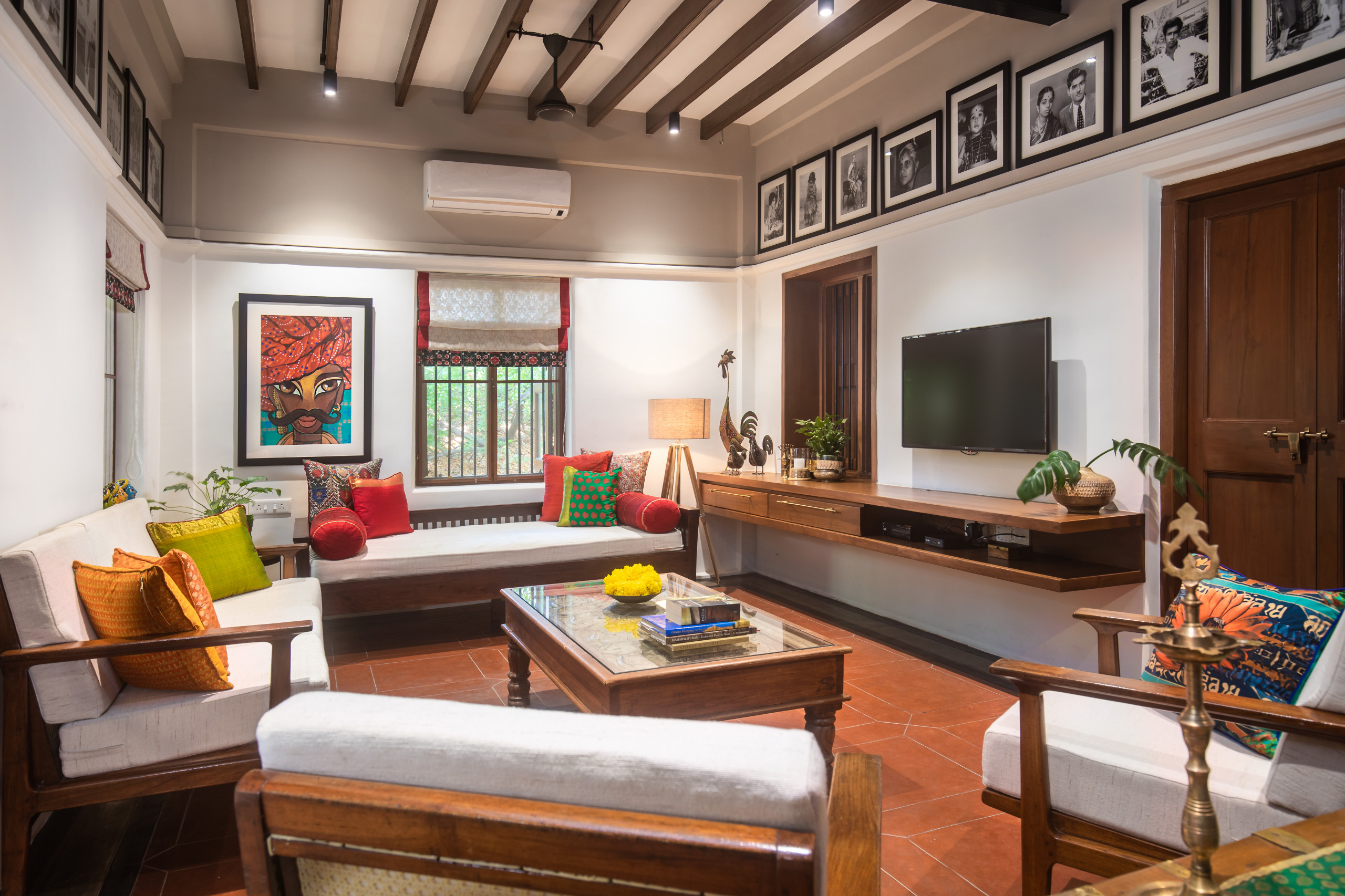
Renovating an older home is a chance to honor its history while tailoring it to modern life. From creaky floorboards to ornate moldings, these homes carry character you can’t replicate—but they also come with design challenges. The smartest renovations strike a balance: preserve what makes the house special, upgrade what makes it livable, and improve efficiency without erasing charm.
Understand the Home’s Original Character
Before any demolition, study the home’s era and architectural language. Victorian, Craftsman, Colonial, and mid-century homes each have defining traits worth protecting.
Key elements to evaluate
-
Original woodwork, trim, and doors
-
Staircases, fireplaces, and built-ins
-
Window styles and ceiling heights
Design decisions that respect these features tend to age better and feel more authentic than trend-driven overhauls.
Blend Old and New Thoughtfully
A successful renovation doesn’t freeze a home in time. Instead, it layers modern comforts into a historic shell.
Smart ways to blend styles
-
Pair classic millwork with sleek lighting fixtures
-
Use modern furniture against traditional architectural backdrops
-
Keep original layouts where possible, but open sightlines selectively
This contrast adds visual depth while keeping the home functional for contemporary living.
Upgrade Layouts Without Losing Structure
Many older homes were designed around smaller, closed-off rooms. While fully open floor plans aren’t always appropriate, strategic adjustments can improve flow.
Layout improvements to consider
-
Widening doorways instead of removing entire walls
-
Adding interior windows or glass-paneled doors
-
Creating kitchen pass-throughs rather than full knockdowns
These changes enhance light and circulation while preserving structural integrity.
Modernize Kitchens and Bathrooms with Care
Kitchens and bathrooms often need the most updating, but they should still feel connected to the rest of the house.
Design tips
-
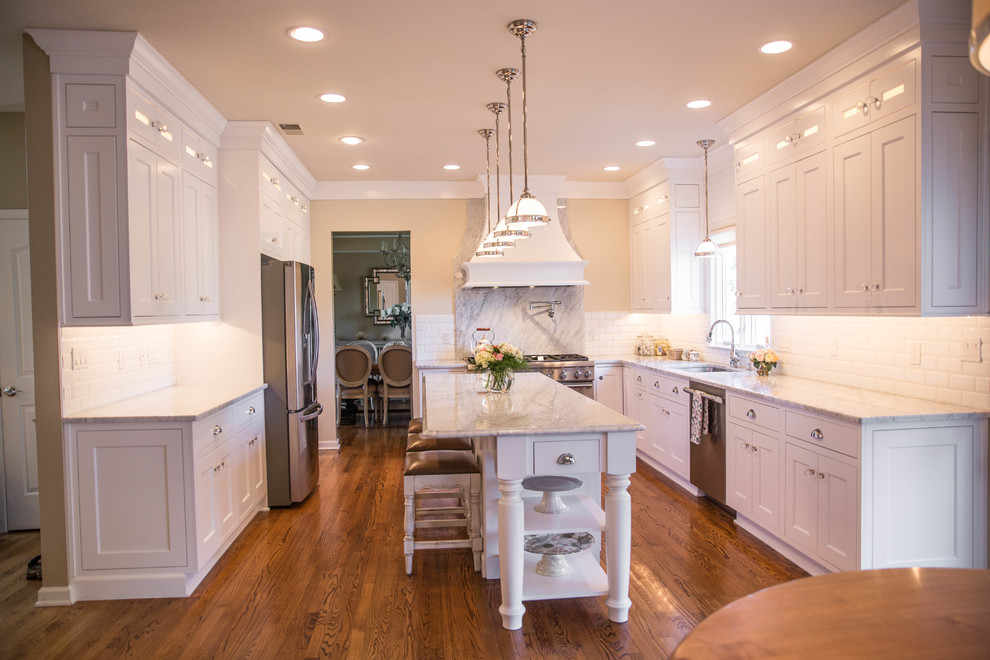
Choose shaker-style cabinetry or inset doors for a timeless look
-
Use neutral stone, subway tile, or classic patterns
-
Integrate modern appliances behind traditional facades
Hidden technology helps maintain aesthetics while delivering modern performance.
Improve Energy Efficiency Invisibly
Older homes are notorious for drafts and inefficiency, but upgrades don’t have to disrupt appearances.
High-impact, low-visibility upgrades
-
Insulation added from attics or crawl spaces
-
Energy-efficient windows designed to match original profiles
-
Updated HVAC systems routed through existing chases
These improvements reduce costs and increase comfort without altering character.
Restore Instead of Replace When Possible
Original materials were often higher quality than today’s mass-produced alternatives. Restoration can be both sustainable and cost-effective.
Worth restoring
-
Hardwood floors with refinishing rather than replacement
-
Original doors, hardware, and light fixtures
-
Plaster walls repaired instead of swapped for drywall
Restoration keeps the home’s story intact and adds authenticity no new product can replicate.
Use Color to Bridge Eras
Color is one of the easiest ways to modernize an older home without permanent changes.
Effective color strategies
-
Soft neutrals to highlight architectural details
-
Deep, historic tones for accent walls
-
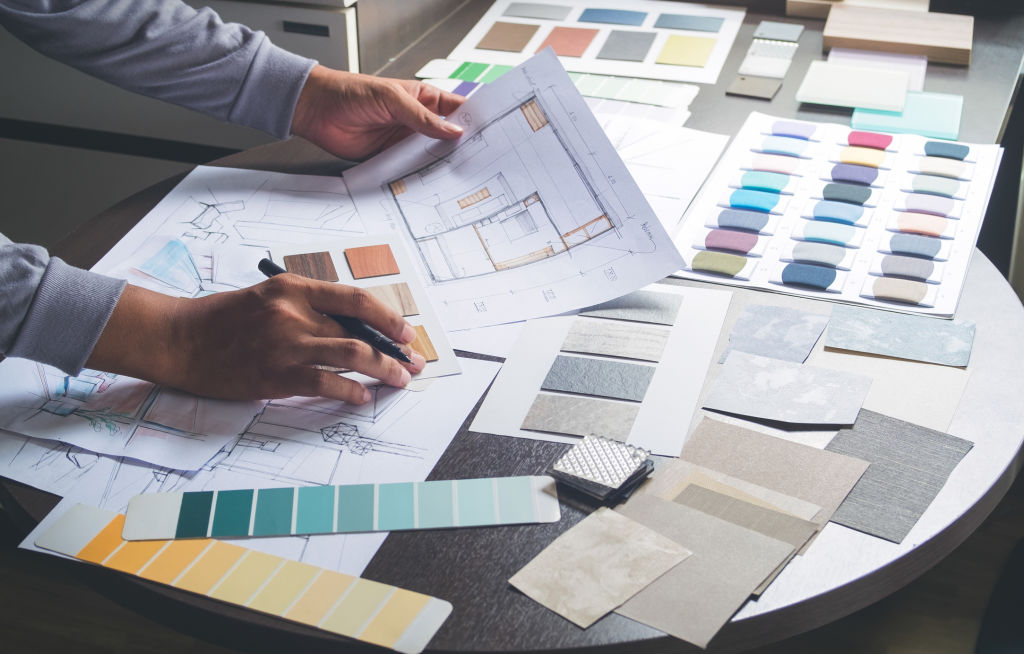
Consistent palettes to unify old and new spaces
Thoughtful color choices can refresh interiors while respecting their roots.
Add Storage the House Never Had
Older homes often lack closets and built-in storage. Custom solutions can solve this without looking out of place.
Subtle storage ideas
-
Built-in shelving styled to match original trim
-
Under-stair cabinetry
-
Window seats with hidden compartments
These additions improve daily living without feeling like afterthoughts.
Preserve the Exterior First
Interior upgrades matter, but curb appeal sets the tone. The exterior should remain faithful to the home’s origins.
Exterior renovation priorities
-
Repair siding instead of replacing it
-
Restore porches, columns, and railings
-
Update landscaping with period-appropriate plants
A well-preserved exterior reinforces the value of everything inside.
Renovate in Phases for Better Results
Older homes often reveal surprises. Phased renovations allow flexibility and smarter budgeting.
Why phased renovations work
-
Structural and mechanical issues are addressed first
-
Design decisions can evolve with discoveries
-
Costs are easier to control over time
This approach reduces stress and leads to better long-term outcomes.
FAQs
How do I renovate an old home without losing its charm?
Focus on preserving original features, use restoration when possible, and introduce modern elements in subtle, complementary ways.
Are older homes more expensive to renovate than newer ones?
They can be, especially if structural or electrical upgrades are needed, but thoughtful planning helps manage costs effectively.
Should I open up all the walls in an older home?
Not always. Selective openings often work better and maintain the home’s architectural identity.
What renovations add the most value to older homes?
Kitchen upgrades, energy efficiency improvements, and restored original features tend to deliver strong returns.
How can I improve lighting in a dark older house?
Use layered lighting, lighter wall colors, reflective surfaces, and carefully placed openings to increase brightness.
Is it better to restore or replace old windows?
Restoring is often preferable if the frames are in good condition, as it maintains character and can still improve efficiency.
Can modern smart home features work in historic houses?
Yes, many smart systems can be installed discreetly without altering the home’s appearance.