
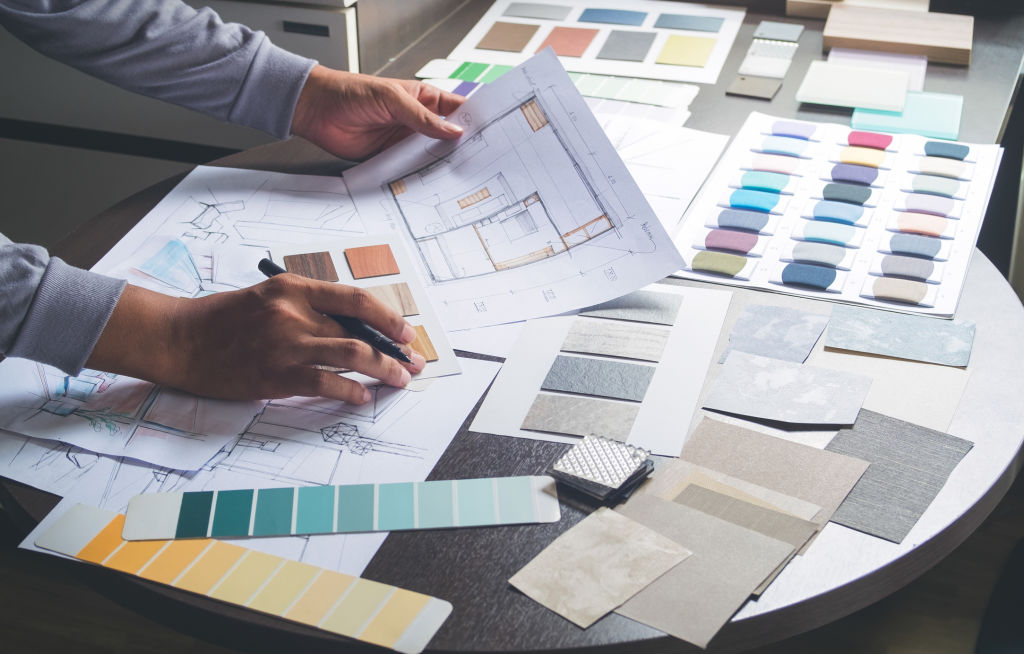
Renovation is more than just upgrading a home; it is about creating a space that reflects lifestyle, comfort, and future aspirations. Whether you are refreshing a single room or planning a complete transformation, understanding the process in depth can save you time, money, and stress. By making the right choices early on, you ensure that your project not only improves aesthetics but also increases the value of your property. For many homeowners, a renovation is both an exciting opportunity and a major investment, making it essential to approach the process with knowledge and planning.
Why Renovation Matters
Renovation plays a crucial role in keeping a property functional, attractive, and safe. Over time, homes can develop wear and tear, outdated layouts, or energy inefficiencies. Addressing these issues through renovation improves daily living and strengthens long-term property value. Renovation is not only about fixing problems but also about creating opportunities to modernise, improve sustainability, and adapt to changing needs.
Planning a Renovation Project
The foundation of any successful renovation lies in careful planning. A clear plan ensures you stay within budget and time constraints while achieving your desired results.
Setting Goals
Start by defining why you want to renovate. Ask yourself:
-
Do you want to improve comfort and liveability?
-
Are you looking to increase property value?
-
Do you need to expand for a growing family?
-
Is energy efficiency or sustainability a priority?
Clarity in your goals allows you to make decisions that align with your long-term vision.
Budgeting
Budgeting is one of the most critical steps. Consider:
-
The overall cost of materials and labour
-
Hidden costs such as permits, inspections, and temporary accommodation
-
A contingency fund of at least 10–15% for unexpected expenses
Timeline
Renovations can disrupt daily life, so setting a realistic timeline helps minimise stress. Factor in design stages, approval periods, sourcing of materials, and construction phases.
Choosing the Right Renovation Approach
Not all renovations are the same. The approach you take depends on the scale of your project and your priorities.
Cosmetic Renovations
These are surface-level improvements that focus on visual appeal, such as:
-
Painting walls
-
Installing new flooring
-
Replacing outdated fixtures
-
Updating lighting
Cosmetic changes are usually affordable, quick, and impactful.
Structural Renovations
These involve major alterations to the framework of the property, including:
-
Removing or adding walls
-
Expanding living spaces
-
Reinforcing foundations
-
Converting lofts or basements
Structural renovations require careful planning, permits, and often specialist expertise.
Functional Renovations
Aimed at improving performance and efficiency, functional renovations may include:
-
Upgrading plumbing or electrical systems
-
Installing energy-efficient windows and insulation
-
Redesigning layouts for better space utilisation
This type of renovation often delivers long-term savings and enhances comfort.
Essential Areas to Focus On
When planning a renovation, certain areas typically provide the highest returns on investment.
Kitchen Renovation
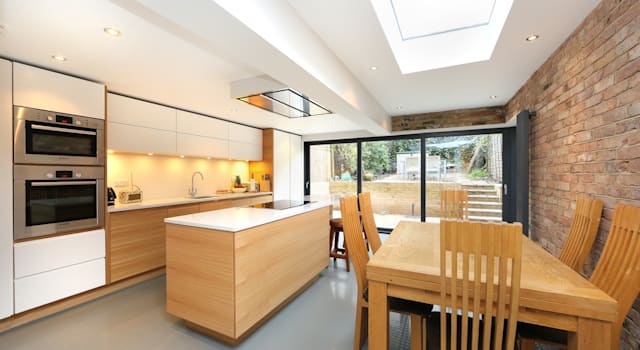
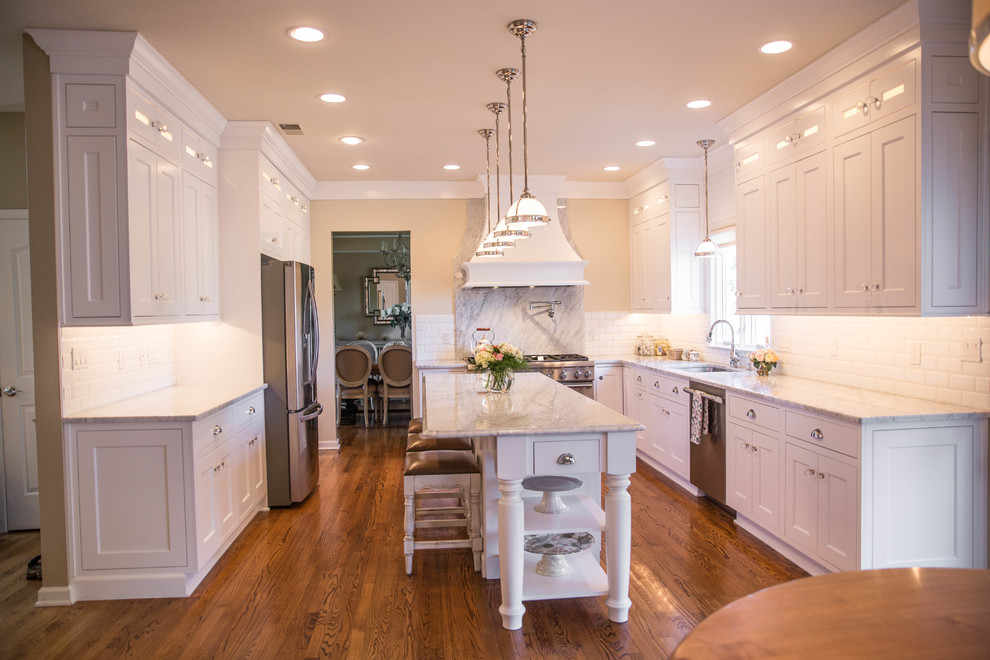
The kitchen is often considered the heart of the home. Upgrading appliances, adding storage, and introducing modern designs can make the space more practical and stylish.
Bathroom Renovation
Bathrooms greatly influence both comfort and property value. Consider adding walk-in showers, energy-saving fixtures, and durable materials.
Living and Dining Spaces
Open-plan designs are increasingly popular, providing more natural light and better flow between spaces. Renovating these areas can create an inviting environment for both family and guests.
Bedrooms
Comfort and tranquillity are priorities here. Built-in wardrobes, improved lighting, and noise-reducing materials are worthwhile investments.
Outdoor Spaces
Renovation should not be limited to interiors. Decking, patios, landscaping, and outdoor kitchens enhance usability and curb appeal.
Sustainability in Renovation
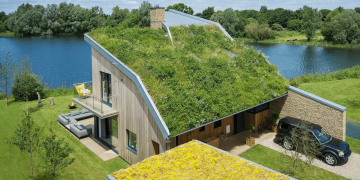
Modern renovation projects often prioritise sustainability. Eco-friendly choices not only reduce environmental impact but also lower running costs. Key strategies include:
-
Using recycled or responsibly sourced materials
-
Installing solar panels
-
Opting for low-energy appliances
-
Improving insulation and ventilation
Avoiding Common Renovation Mistakes
Renovation can be complex, and avoiding mistakes is essential for success:
-
Underestimating costs: Always budget for the unexpected.
-
Skipping permits: Legal approval is critical for structural or electrical work.
-
Choosing trends over timeless design: Balance style with long-term value.
-
Ignoring professional advice: Skilled builders and designers provide expertise that saves time and money.
The Role of Professionals
While DIY has its place, larger projects benefit from professional input. Architects, interior designers, and contractors bring experience, resources, and compliance knowledge. Their guidance helps achieve a polished, safe, and durable result.
Renovation for Increasing Property Value
If your aim is investment, focus on improvements that offer high returns:
-
Kitchen and bathroom upgrades
-
Energy efficiency enhancements
-
Additional living space
-
Modern kerb appeal
These areas consistently appeal to buyers and tenants, making your renovation both enjoyable and financially rewarding.
Preparing for Renovation Disruption
Renovation inevitably brings disruption, from noise and dust to temporary loss of space. Preparation makes this stage manageable:
-
Set up temporary cooking or living spaces
-
Plan renovations in phases
-
Protect furniture and belongings
-
Keep communication open with contractors
FAQs about Renovation
What is the difference between renovation and remodelling?
Renovation typically means restoring or improving existing structures, while remodelling involves altering layouts or designs more extensively.
How long does a home renovation usually take?
The timeline varies by project size. A simple cosmetic renovation may take a few weeks, whereas structural work could extend to several months.
Which renovation projects increase home value the most?
Kitchens and bathrooms often deliver the highest returns, followed by extensions and energy efficiency upgrades.
Is it better to renovate all at once or in stages?
This depends on budget and convenience. Doing it all at once is often more efficient, while staged renovations allow financial flexibility and less disruption.
Do I need planning permission for every renovation?
Not always. Cosmetic changes rarely need approval, but structural work, extensions, and some energy upgrades usually require permits.
What should I prioritise if I have a limited budget?
Focus on essential areas that combine functionality and value, such as kitchens, bathrooms, and insulation improvements.