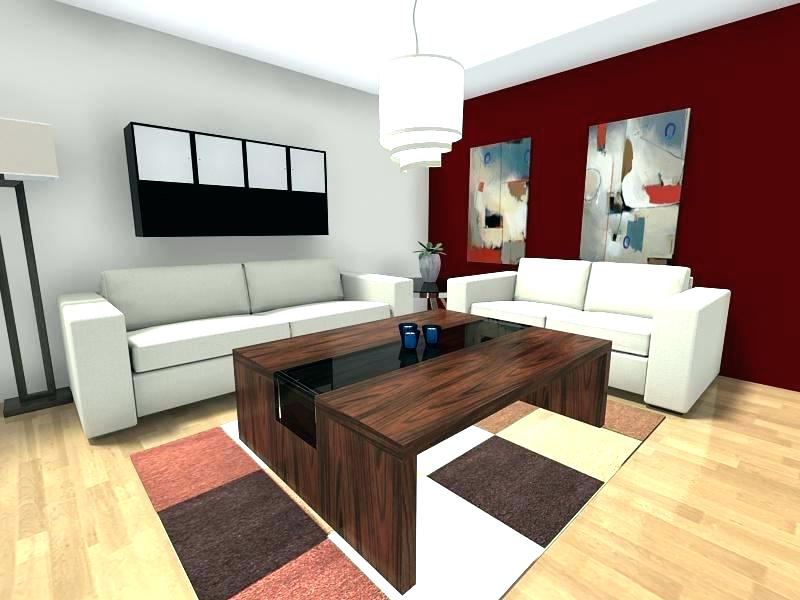

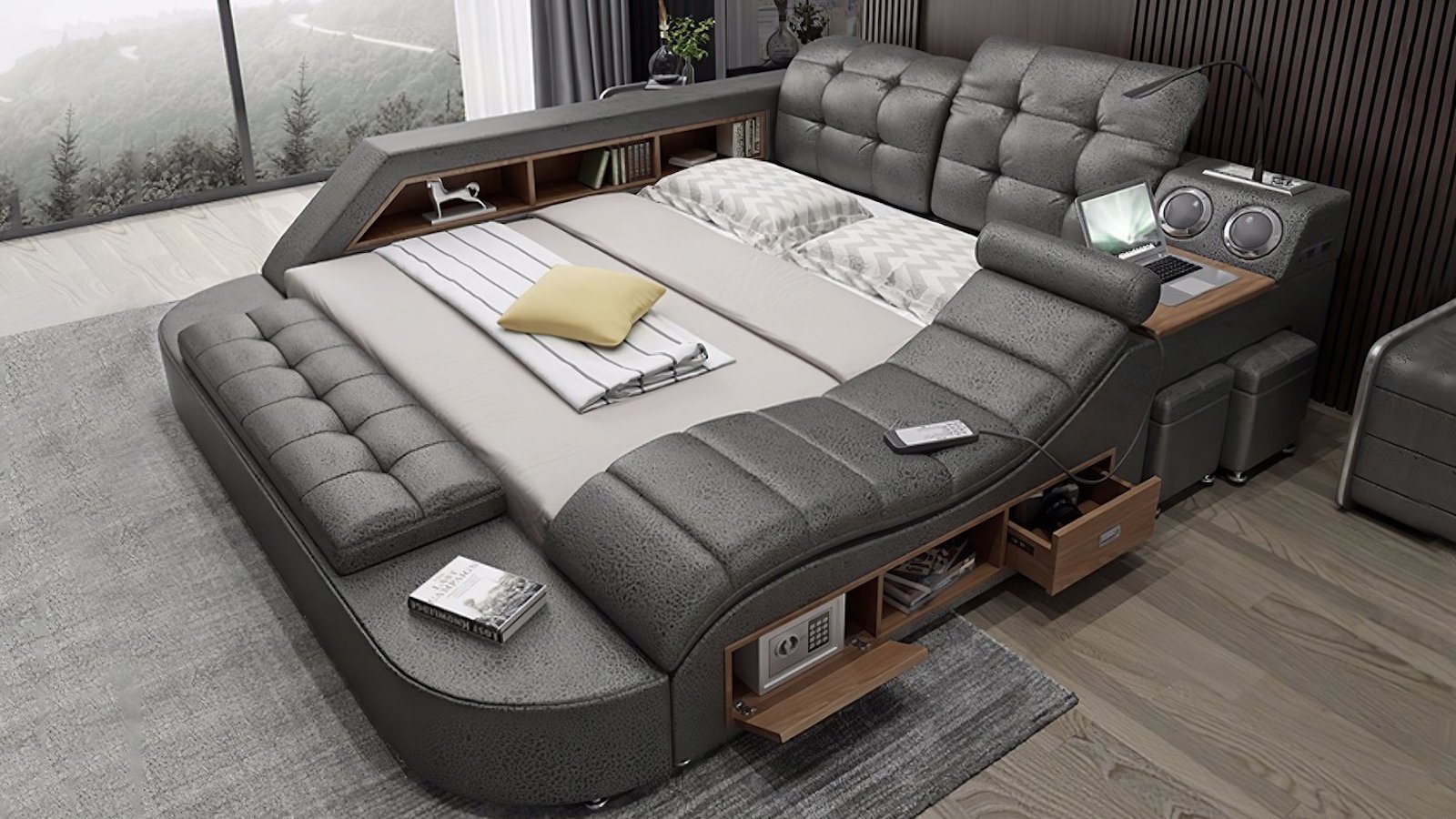
Modern homes are no longer just about aesthetics and comfort—they are becoming interactive, adaptive, and intelligent. Smart furniture is at the center of this shift, blending technology with design to meet the evolving needs of urban lifestyles. From space-saving solutions to health-focused designs, these innovations are redefining how we live, work, and relax at home.
What Is Smart Furniture?
Smart furniture refers to tech-enabled furnishings that integrate sensors, connectivity, and automation to enhance usability. Unlike traditional furniture, these pieces can respond to user behavior, collect data, and connect with other smart home systems.
Common characteristics include:
-
Built-in sensors and microprocessors
-
Wireless connectivity (Wi-Fi or Bluetooth)
-
App or voice-based controls
-
Adaptive and multifunctional designs
Key Smart Furniture Innovations Transforming Homes
Intelligent Sleep Solutions
Sleep-focused furniture has seen rapid innovation, particularly in smart beds and mattresses. These systems monitor sleep patterns, adjust firmness or temperature automatically, and provide actionable insights for better rest.
Notable benefits include:
-
Personalized sleep tracking
-
Automatic posture and pressure adjustment
-
Integration with wellness apps
Ergonomic Smart Workstations
With remote work becoming mainstream, smart desks and chairs are now designed to promote productivity and physical health.
Popular features include:
-
Height-adjustable desks with memory settings
-
Posture-monitoring chairs with alerts
-
Integrated wireless charging and cable management
Space-Saving Modular Furniture
Urban living often means smaller spaces. Smart modular furniture adapts to this reality by transforming based on need.
Examples include:
-
Sofas that convert into beds automatically
-
Tables that expand or retract using motorized systems
-
Storage units optimized through smart sensors
Connected Living Room Furniture
Entertainment-focused smart furniture enhances both comfort and convenience.
Key innovations:
-
Sofas with USB ports and wireless charging pads
-
Coffee tables with built-in speakers or touch controls
-
Media units synchronized with smart TVs and lighting
How Smart Furniture Enhances Daily Life
Improved Health and Wellness
By tracking posture, sleep quality, and movement, smart furniture helps users make healthier choices without disrupting daily routines.
Greater Convenience and Efficiency
Automated adjustments reduce manual effort, while integration with smart home ecosystems allows seamless control through apps or voice assistants.
Sustainable and Energy-Efficient Design
Many smart furniture solutions are built with eco-conscious materials and energy-efficient components, aligning with sustainable living goals.
Challenges and Considerations
While smart furniture offers clear advantages, buyers should also consider:
-
Higher upfront costs compared to traditional furniture
-
Dependence on power and connectivity
-
Data privacy and security concerns
Making informed choices ensures long-term value and satisfaction.
The Future of Smart Furniture
As artificial intelligence and IoT technologies mature, smart furniture will become more intuitive and accessible. Future designs are expected to:
-
Learn user habits more accurately
-
Offer deeper integration with smart homes
-
Become more affordable through mass adoption
Smart furniture is not a passing trend—it is a foundational element of future living spaces.
Frequently Asked Questions
What makes furniture “smart” compared to traditional furniture?
Smart furniture integrates technology such as sensors, connectivity, and automation to adapt to user needs and provide added functionality.
Is smart furniture suitable for small apartments?
Yes, many smart furniture designs focus on space optimization, making them ideal for compact living environments.
Does smart furniture require constant internet access?
Not always. Some features work offline, but advanced functions and app-based controls often need an internet connection.
How durable is smart furniture?
High-quality smart furniture is designed to be durable, though electronic components may require more care than standard furniture.
Can smart furniture integrate with existing smart home systems?
Most modern smart furniture is compatible with popular smart home platforms, allowing unified control.
Is smart furniture energy efficient?
Many products are designed with low-power components and energy-saving modes to minimize electricity usage.
Is smart furniture worth the investment?
For users seeking convenience, health insights, and modern functionality, smart furniture can offer strong long-term value.