
Modern homes are no longer static. As lifestyles shift toward remote work, urban living, and multifunctional rooms, modular furniture has emerged as a smart, human-centered solution. Designed to adapt, rearrange, and grow with your needs, modular furniture supports flexibility without sacrificing style or comfort.
What Is Modular Furniture?
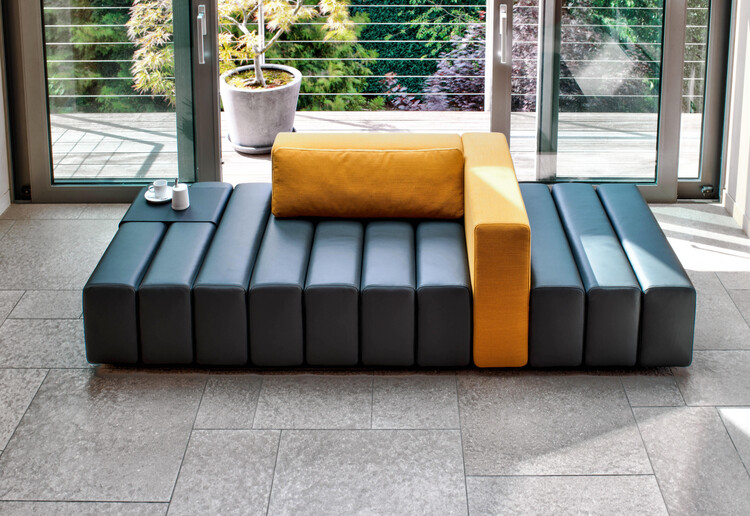
Modular furniture is made up of individual units or modules that can be combined, separated, or reconfigured in multiple ways. Instead of one fixed-purpose piece, you get a system that evolves with your space and lifestyle.
Examples include:
-
Sectional sofas with movable pieces
-
Stackable storage units
-
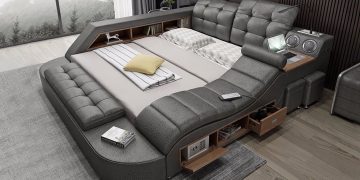
Beds with detachable drawers or side tables
-
Modular desks that expand or contract
This adaptability is what makes modular furniture especially valuable in flexible living environments.
Why Flexible Living Spaces Matter Today
Homes now serve more purposes than ever. A single room might function as:
-
A home office during the day
-
A living or entertainment area in the evening
-
A guest room on weekends
Flexible living spaces allow people to maximize limited square footage while maintaining comfort and functionality. Modular furniture supports this shift by making spaces easier to adapt without major redesigns.
Key Benefits of Modular Furniture
Adaptability to Changing Needs
One of the strongest advantages of modular furniture is its ability to change as life changes.
-
Rearrange layouts when moving to a new home
-
Add modules as your family grows
-
Reconfigure pieces for different activities
This flexibility makes it a long-term investment rather than a temporary solution.
Space Optimization for Small and Large Homes
Whether you live in a compact apartment or a spacious house, modular furniture helps you use space efficiently.
-
Fits into corners and awkward layouts
-
Reduces clutter with multi-use components
-
Allows vertical and horizontal expansion
For small homes, this often means gaining usable space without feeling cramped.
Cost-Effective Over Time
While modular furniture may seem more expensive upfront, it often reduces long-term costs.
-
No need to replace entire pieces when needs change
-
Individual modules can be repaired or upgraded
-
One system can serve multiple purposes
This makes it a practical choice for people who value durability and smart spending.
Easy to Move and Reconfigure
Traditional furniture can be heavy, bulky, and difficult to transport. Modular pieces are designed with mobility in mind.
-
Lighter individual components
-
Easier disassembly and reassembly
-
Ideal for renters or frequent movers
This convenience significantly reduces the stress of relocation.
Personalized Style and Layout
Modular furniture allows you to create a setup that feels uniquely yours.
-
Choose configurations that suit your habits
-
Mix and match colors, materials, or finishes
-
Adjust layouts for seasonal or lifestyle changes
The result is a living space that feels intentional rather than generic.
Sustainability and Reduced Waste
Sustainability is becoming a major consideration in home design, and modular furniture aligns well with this goal.
-
Replace only damaged or outdated modules
-
Extend the lifespan of furniture systems
-
Reduce waste from full furniture disposal
Many modular designs also use eco-conscious materials, supporting more responsible consumption.
Ideal Rooms for Modular Furniture
Modular furniture works particularly well in spaces that demand versatility.
Living Rooms
-
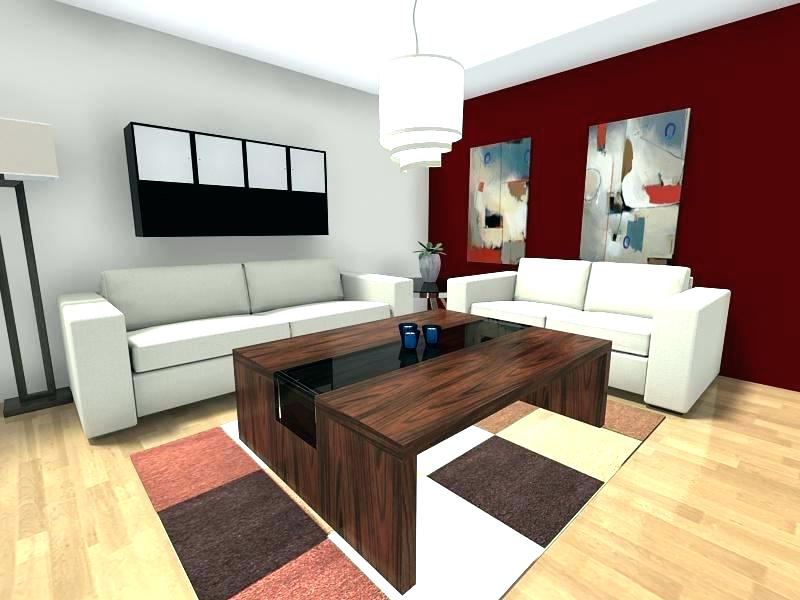
Sectional sofas that adapt to gatherings or quiet nights
-
Modular shelving for evolving storage needs
Bedrooms
-
Beds with adjustable storage components
-
Modular wardrobes that grow over time
Home Offices
-
Desks that expand for projects
-
Storage units that reconfigure as work changes
Studio Apartments
-
Furniture that separates zones without walls
-
Pieces that serve dual or triple purposes
How Modular Furniture Enhances Daily Living
Beyond practicality, modular furniture improves everyday comfort and usability.
-
Encourages cleaner, more organized spaces
-
Reduces the need for constant replacements
-
Supports both minimal and expressive interior styles
It allows homes to feel responsive rather than restrictive.
Frequently Asked Questions
Is modular furniture suitable for long-term use?
Yes, high-quality modular furniture is designed for durability and long-term adaptability, making it suitable for years of use.
Does modular furniture work in traditional interior styles?
Absolutely. Many modular systems are available in classic materials and neutral finishes that blend well with traditional décor.
Can modular furniture be expanded later?
Most modular designs allow you to add new components over time, which is one of their biggest advantages.
Is modular furniture easy to assemble?
Generally, yes. Most systems are designed for simple assembly and reconfiguration without specialized tools.
How do I maintain modular furniture?
Maintenance is similar to traditional furniture. Individual modules can often be cleaned, repaired, or replaced more easily.
Is modular furniture good for families with children?
Yes, its flexibility and replaceable components make it practical for homes where needs change frequently.
Does modular furniture hold resale value?
Well-maintained modular furniture often holds value better because buyers can adapt it to their own spaces.