
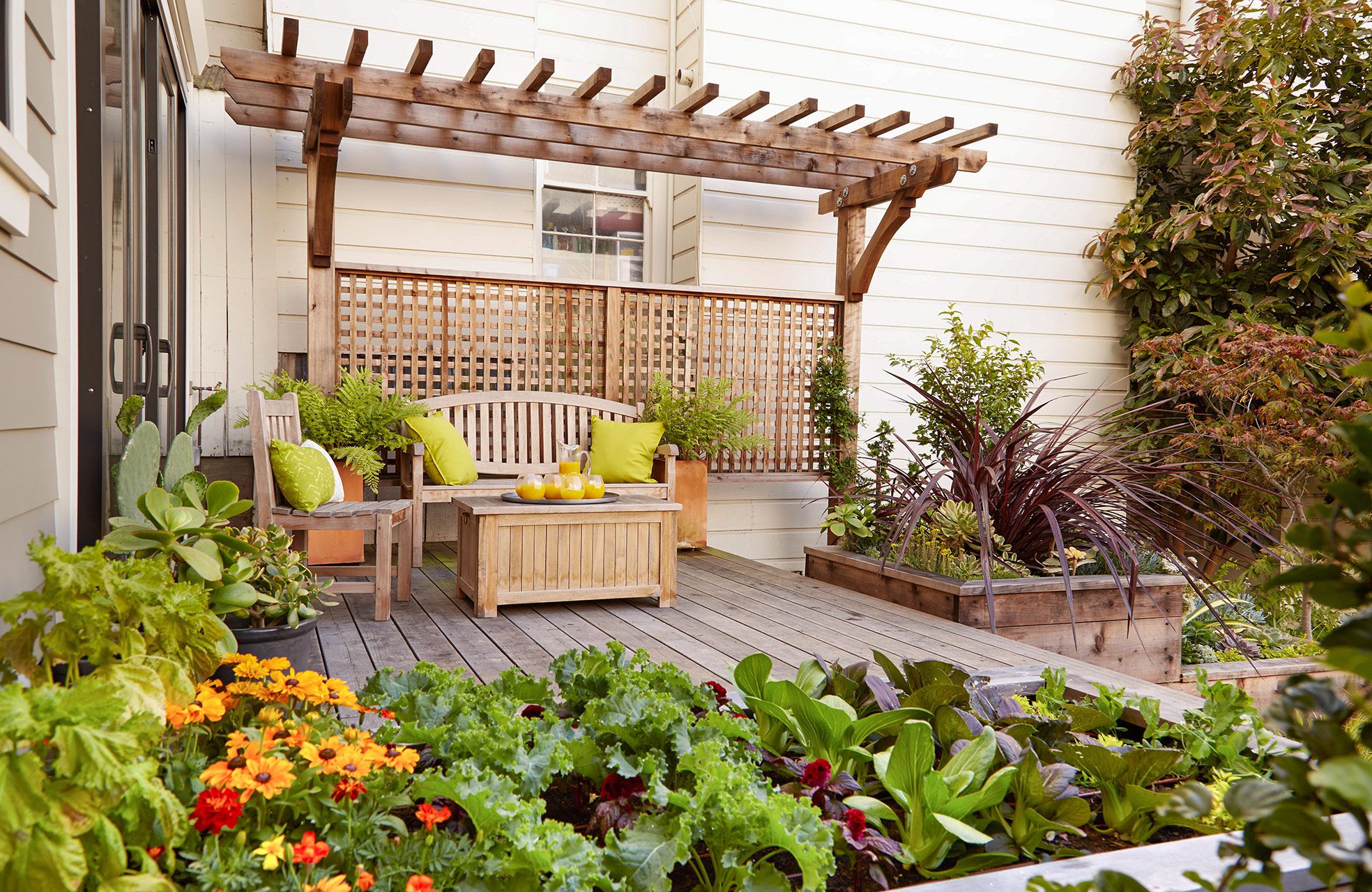
Designing a small garden can feel limiting at first, but with the right approach, compact outdoor spaces can become some of the most charming and functional gardens around. A thoughtful layout, smart plant choices, and a bit of creativity go a long way in making even the tiniest garden feel open, inviting, and full of life.
Below are practical, proven design tips that actually work in real small gardens—not just in pictures.
Start With a Clear Purpose
Before choosing plants or décor, decide how you want to use the garden. A clear purpose keeps the space cohesive and avoids clutter.
Ask yourself:
- Is this a relaxing retreat or a social space?
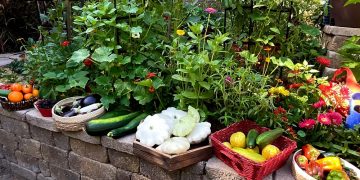
- Do you want flowers, vegetables, or both?
- Will you need seating, storage, or open space for movement?
Once the goal is clear, every design choice becomes easier and more intentional.
Think Vertical, Not Horizontal
When ground space is limited, vertical gardening becomes your best friend. Using walls, fences, and trellises helps maximize greenery without overcrowding the floor.
Effective vertical ideas include:
- Wall-mounted planters
- Hanging baskets
- Climbing plants on trellises
- Tiered plant stands
This technique adds height, depth, and visual interest while keeping the garden breathable.
Choose the Right Plants for Small Spaces
Not all plants are suited for compact gardens. The key is choosing varieties that stay proportionate and offer high visual impact.
Look for:
- Compact or dwarf plants
- Slow-growing shrubs
- Plants with upright growth habits
- Multi-purpose plants (ornamental + edible)
Avoid overcrowding—giving plants enough room makes the garden feel larger and healthier.
Use Light Colors to Create Openness
Color plays a powerful role in how space is perceived. Lighter tones help reflect light and make small gardens feel more open.
Ways to apply this:
- Pale-colored pots and planters
- Light stone or gravel paths
- Soft-toned furniture
- White or pastel blooms mixed with greenery
This doesn’t mean avoiding bold colors completely—just use them as accents rather than the main theme.
Create Zones Without Building Walls
Even small gardens benefit from defined areas. Zoning creates structure without making the space feel boxed in.
Simple ways to create zones:
- Different flooring materials (gravel vs. paving)
- Strategic plant groupings
- Outdoor rugs for seating areas
- Changes in plant height
Subtle separation adds depth and purpose without shrinking the space visually.
Choose Multi-Functional Furniture
Every item in a small garden should earn its place. Furniture that serves more than one purpose is ideal.
Smart options include:
- Benches with hidden storage
- Foldable chairs and tables
- Stackable stools
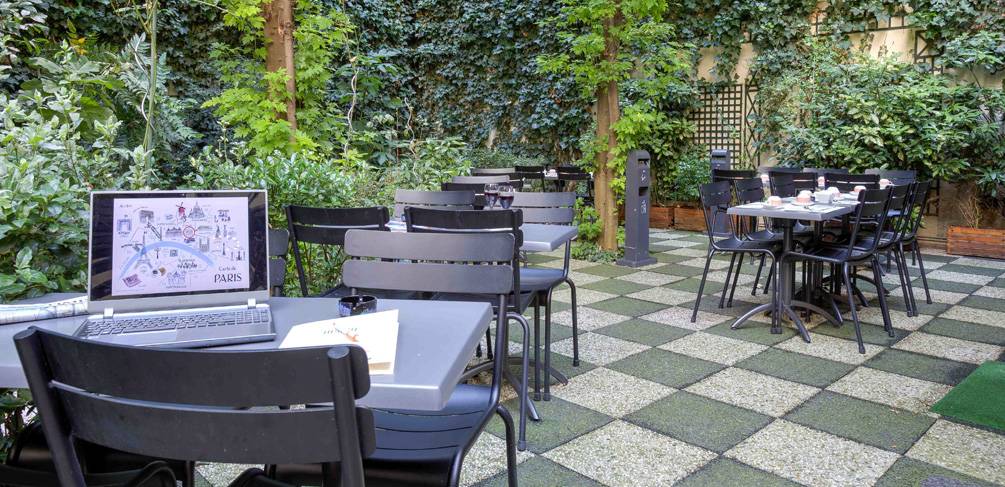
- Narrow café-style seating
Keeping furniture minimal and flexible prevents the garden from feeling crowded.
Use Mirrors and Reflective Surfaces
Mirrors aren’t just for indoor spaces. When placed correctly, they can double the visual size of a small garden.
Best practices:
- Place mirrors on walls or fences
- Reflect greenery, not clutter
- Use weather-resistant materials
This trick adds depth and light while making the garden feel surprisingly expansive.
Keep the Design Simple and Cohesive
Over-designing is one of the most common small garden mistakes. A simple, consistent design always works better than too many competing elements.
Stick to:
- A limited color palette
- Repeating materials and shapes
- Clean lines and clear pathways
Less visual noise equals a calmer, larger-feeling space.
Add Soft Lighting for Evening Impact
Good lighting extends the usability of a small garden and adds atmosphere after sunset.
Effective lighting ideas:
- Solar stake lights along paths
- Warm string lights overhead
- Small lanterns near seating
- Subtle uplighting for plants
Soft, warm lighting creates depth without overpowering the space.
Maintain Regularly to Keep It Open
A small garden shows neglect faster than a large one. Regular maintenance keeps it feeling fresh and spacious.
Focus on:
- Pruning overgrown plants
- Removing dead leaves and flowers
- Keeping pathways clear
- Refreshing pots seasonally
A well-maintained garden always feels bigger and more welcoming.
Frequently Asked Questions
How do I make a small garden look bigger?
Use light colors, vertical planting, mirrors, and uncluttered layouts. Keeping plants trimmed and furniture minimal also helps create a sense of space.
What plants are best for small gardens?
Compact shrubs, dwarf trees, herbs, climbers, and ornamental grasses work well. Choose plants that don’t spread aggressively.
Can I grow vegetables in a small garden?
Yes. Many vegetables thrive in containers or vertical setups, including tomatoes, lettuce, peppers, and herbs.
Is it better to use pots or plant directly in the ground?
Pots offer flexibility and are ideal for small gardens, especially when space or soil quality is limited.
How much furniture should a small garden have?
Only what you truly need. One seating area is usually enough, and multi-functional or foldable furniture works best.
Do small gardens need pathways?
Not always, but even a narrow path can help define movement and prevent the space from feeling cramped.
How can I add personality without cluttering the space?
Use one or two statement pieces, such as a unique planter, a focal plant, or subtle lighting, instead of many small decorations.