
A well-designed drainage system is one of the most critical yet often overlooked components of a residential building. It works silently behind walls and beneath floors, ensuring wastewater and rainwater are safely removed from the home. When designed or maintained poorly, drainage issues can lead to health hazards, structural damage, and expensive repairs.
This article breaks down how residential drainage systems work, their key components, common problems, and best practices for long-term efficiency.
What Is a Residential Drainage System?
A residential drainage system is a network of pipes, fittings, and fixtures designed to collect and transport wastewater and excess rainwater away from a building. Its primary purpose is to maintain hygiene, protect structural integrity, and prevent water accumulation inside or around the home.
Residential drainage generally handles:
-
Wastewater from bathrooms, kitchens, and laundry areas
-
Rainwater from roofs, balconies, and paved surfaces
Types of Drainage Systems in Homes
Different drainage systems work together to manage various types of water. Each serves a specific role in keeping the building functional and safe.
Sanitary Drainage System
The sanitary drainage system removes wastewater from sinks, toilets, showers, and appliances. This water is directed toward municipal sewers or private septic tanks.
Key characteristics:
-
Operates by gravity
-
Uses sealed pipes to prevent leaks and odors
-
Includes traps to block sewer gases
Stormwater Drainage System
The stormwater drainage system handles rainwater runoff from roofs and outdoor surfaces. Unlike sanitary drainage, it does not carry waste.
Common components include:
-
Roof gutters and downpipes
-
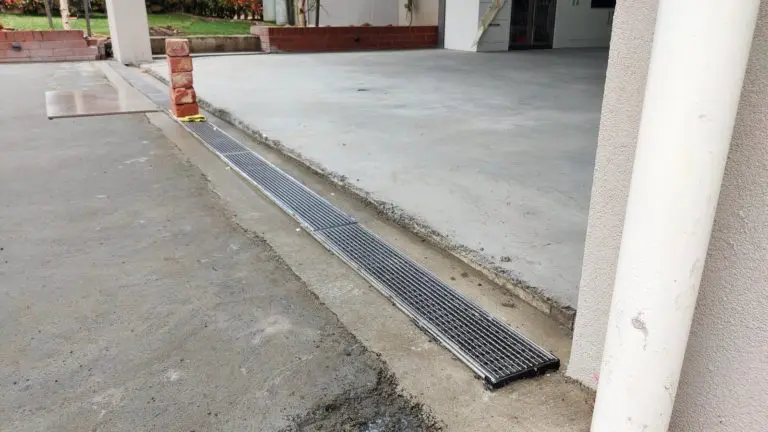
Surface drains
-
Underground stormwater pipes
Combined Drainage System
In some older residential areas, combined systems carry both sewage and stormwater in the same pipes. While efficient in design, they can overload during heavy rainfall and are less common in modern construction.
Core Components of a Residential Drainage System
Understanding the main components helps homeowners identify issues early and communicate effectively with professionals.
Drain Pipes
Drain pipes form the backbone of the system. They are usually made from:
-
PVC (lightweight and corrosion-resistant)
-
Cast iron (durable and noise-reducing)
These pipes rely on proper slope to ensure smooth water flow.
Traps
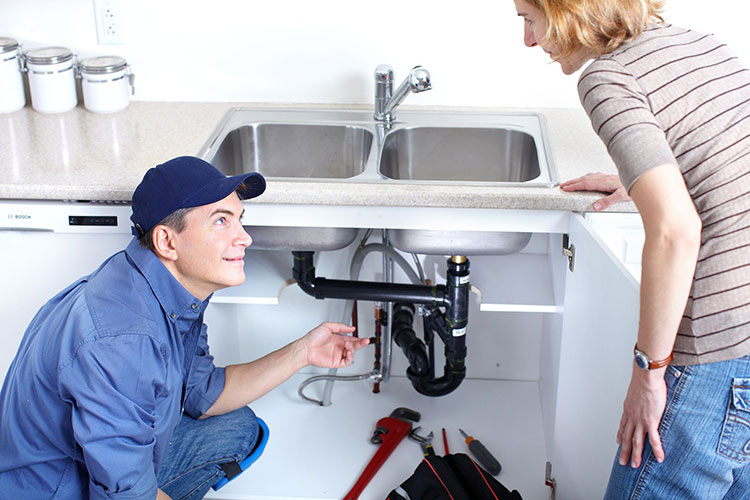
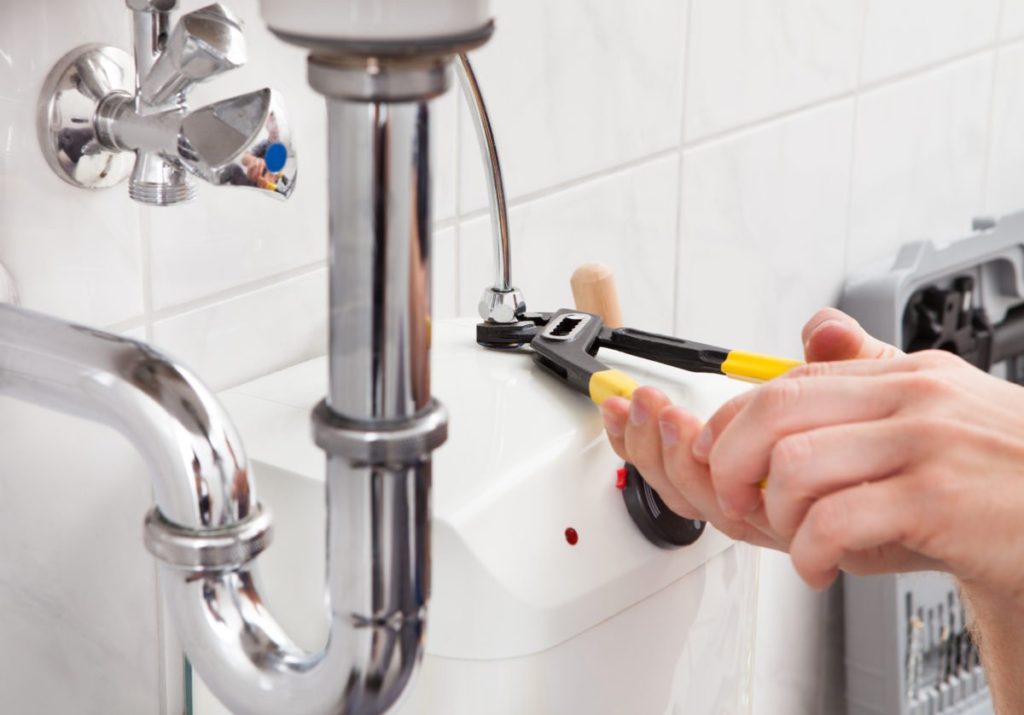
A trap is a curved section of pipe located beneath fixtures like sinks and floor drains. It holds a small amount of water to block foul gases from entering the living space.
Vent Pipes
Vent pipes regulate air pressure within the drainage system. Without proper ventilation:
-
Water may drain slowly
-
Traps can lose their water seal
-
Gurgling sounds may occur
Cleanouts
Cleanouts are access points that allow plumbers to inspect and clear blockages without dismantling the system. They are essential for maintenance and emergency repairs.
How Drainage Systems Work Together
A residential drainage system functions as a coordinated network rather than isolated parts. Wastewater flows downward through drain pipes, passes through traps, and exits the building via the main sewer line. Vent pipes ensure smooth flow by balancing pressure, while stormwater drains divert rain away from foundations.
When designed correctly, the entire system operates efficiently without noise, odor, or backups.
Common Drainage Problems in Residential Buildings
Even well-installed systems can develop issues over time. Some common problems include:
-
Clogged drains caused by grease, hair, or debris
-
Pipe corrosion or cracks due to aging materials
-
Improper slope leading to slow drainage
-
Tree root intrusion into underground pipes
-
Foul odors from dry traps or blocked vents
Early detection can prevent minor issues from becoming major structural or health concerns.
Importance of Proper Drainage Design
A well-planned drainage system offers more than convenience. It directly affects the building’s longevity and indoor environment.
Key benefits include:
-
Protection against water damage and mold growth
-
Improved indoor air quality
-
Reduced maintenance and repair costs
-
Compliance with building codes and safety standards
Professional design and installation are essential, especially in multi-story residential buildings.
Maintenance Tips for Homeowners
Routine maintenance keeps drainage systems efficient and extends their lifespan.
Best practices:
-
Avoid pouring grease or chemicals down drains
-
Use strainers in sinks and showers
-
Flush drains periodically with hot water
-
Schedule professional inspections when needed
-
Address slow drainage immediately
Small habits can significantly reduce the risk of major plumbing failures.
FAQs
1. How often should a residential drainage system be inspected?
A professional inspection every 1–2 years is recommended, especially for older homes or properties with large trees nearby.
2. What is the difference between a drain and a sewer line?
A drain carries wastewater from fixtures inside the home, while the sewer line transports it away from the property to a treatment facility or septic tank.
3. Can poor drainage affect a building’s foundation?
Yes, improper drainage can cause water accumulation around the foundation, leading to cracks, settlement, and long-term structural damage.
4. Why do some drains make gurgling noises?
Gurgling usually indicates venting issues or partial blockages that disrupt normal air pressure in the pipes.
5. Are chemical drain cleaners safe to use regularly?
Frequent use is not recommended, as harsh chemicals can damage pipes and reduce their lifespan over time.
6. How can I tell if my drainage system is poorly vented?
Signs include slow drainage, foul odors, and water being siphoned out of traps after use.
7. What role does slope play in drainage efficiency?
Proper pipe slope allows gravity to move wastewater smoothly. Incorrect slope can cause standing water, clogs, and pipe damage.