
Plumbing has come a long way from heavy cast iron and basic galvanized steel pipes. Today’s modern plumbing materials are lighter, more durable, easier to install, and designed to meet evolving building codes and sustainability goals. Understanding these materials and how they’re used in real-world applications helps homeowners, builders, and professionals make smarter decisions for long-term performance.
Evolution of Plumbing Materials
Traditional plumbing relied on materials that were strong but often prone to corrosion, scaling, and complex installation. Advances in material science have introduced alternatives that offer:
-
Longer service life
-
Improved resistance to chemicals and temperature changes
-
Lower installation and maintenance costs
-
Better adaptability for residential and commercial systems
Modern plumbing materials are now selected not only for strength, but also for efficiency, safety, and environmental impact.
Common Modern Plumbing Materials
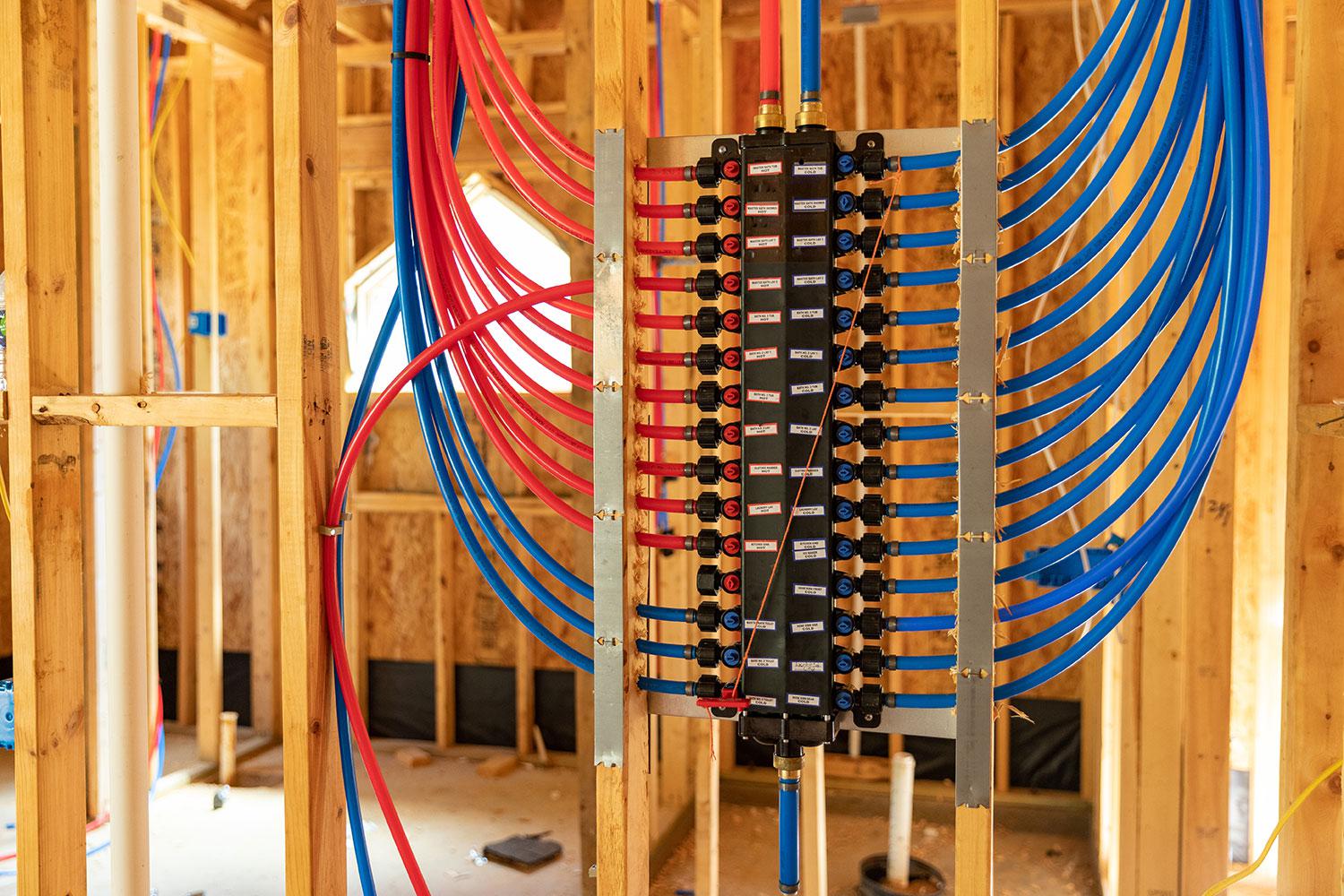
PEX (Cross-Linked Polyethylene)
PEX has become one of the most widely used plumbing materials in residential construction.
Key characteristics:
-
Flexible and easy to route around obstacles
-
Resistant to freezing and cracking
-
Fewer fittings reduce leak points
Practical applications:
-
Hot and cold water supply lines
-
Radiant floor heating systems
-
Retrofitting older plumbing layouts
PVC (Polyvinyl Chloride)
PVC is a lightweight plastic material primarily used for drainage and venting.
Key characteristics:
-
Corrosion-resistant
-
Affordable and easy to cut and join
-
Not suitable for high-temperature water
Practical applications:
-
Drain, waste, and vent (DWV) systems
-
Underground sewer lines
-
Irrigation and outdoor plumbing
CPVC (Chlorinated Polyvinyl Chloride)
CPVC is a modified form of PVC designed to handle higher temperatures.
Key characteristics:
-
Handles hot water safely
-
Resistant to chemical corrosion
-
Slightly more rigid than PEX
Practical applications:
-
Residential hot and cold water distribution
-
Commercial water supply systems
-
Replacement of aging copper lines
Copper
Despite newer options, copper remains a trusted plumbing material.
Key characteristics:
-
Long lifespan with proven reliability
-
Naturally antimicrobial
-
Tolerates high temperatures and pressure
Practical applications:
-
Potable water supply lines
-
Commercial and industrial plumbing
-
Exposed piping where durability matters
HDPE (High-Density Polyethylene)
HDPE is commonly used in large-scale and industrial plumbing projects.
Key characteristics:
-
Extremely durable and flexible
-
Resistant to chemicals and corrosion
-
Heat-fusion joints create leak-free connections
Practical applications:
-
Municipal water mains
-
Industrial fluid transport
-
Underground and trenchless installations
Material Selection Based on Application
Choosing the right plumbing material depends on several practical factors:
-
Water temperature and pressure
-
Local plumbing codes
-
Installation environment (indoor, outdoor, underground)
-
Budget and long-term maintenance costs
For example, PEX works well in residential interiors, while HDPE is better suited for underground or industrial use.
Sustainability and Modern Plumbing Materials
Modern plumbing materials increasingly support sustainable construction goals.
Environmental benefits include:
-
Reduced water loss due to fewer leaks
-
Lower energy consumption during manufacturing
-
Recyclable plastics and longer material lifespans
PEX and HDPE, in particular, reduce waste through efficient installation and extended durability.
Installation and Maintenance Considerations
While modern materials simplify plumbing, proper installation is still critical.
Best practices include:
-
Using manufacturer-approved fittings and tools
-
Following local plumbing codes strictly
-
Avoiding UV exposure for materials not rated for sunlight
-
Scheduling routine inspections, even for low-maintenance systems
Professional installation ensures that the advantages of modern materials are fully realized.
FAQs
What is the most durable modern plumbing material?
Durability depends on application, but copper and HDPE are known for exceptional longevity when properly installed.
Is PEX safe for drinking water?
Yes, PEX is widely approved for potable water systems and meets modern health and safety standards.
Why is PVC not used for hot water lines?
PVC cannot withstand high temperatures and may deform, which is why CPVC or PEX is preferred for hot water.
How long do modern plumbing materials typically last?
Most modern materials last 40–70 years, depending on usage conditions, water quality, and installation quality.
Are plastic plumbing pipes better than metal?
Plastic pipes resist corrosion and are easier to install, while metal pipes offer higher temperature tolerance. The best choice depends on the specific use case.
Can modern plumbing materials be used in older homes?
Yes, materials like PEX and CPVC are commonly used in renovations due to their flexibility and compatibility with existing systems.
Do modern materials reduce plumbing maintenance costs?
In most cases, yes. Fewer leaks, corrosion resistance, and easier repairs contribute to lower long-term maintenance expenses.