

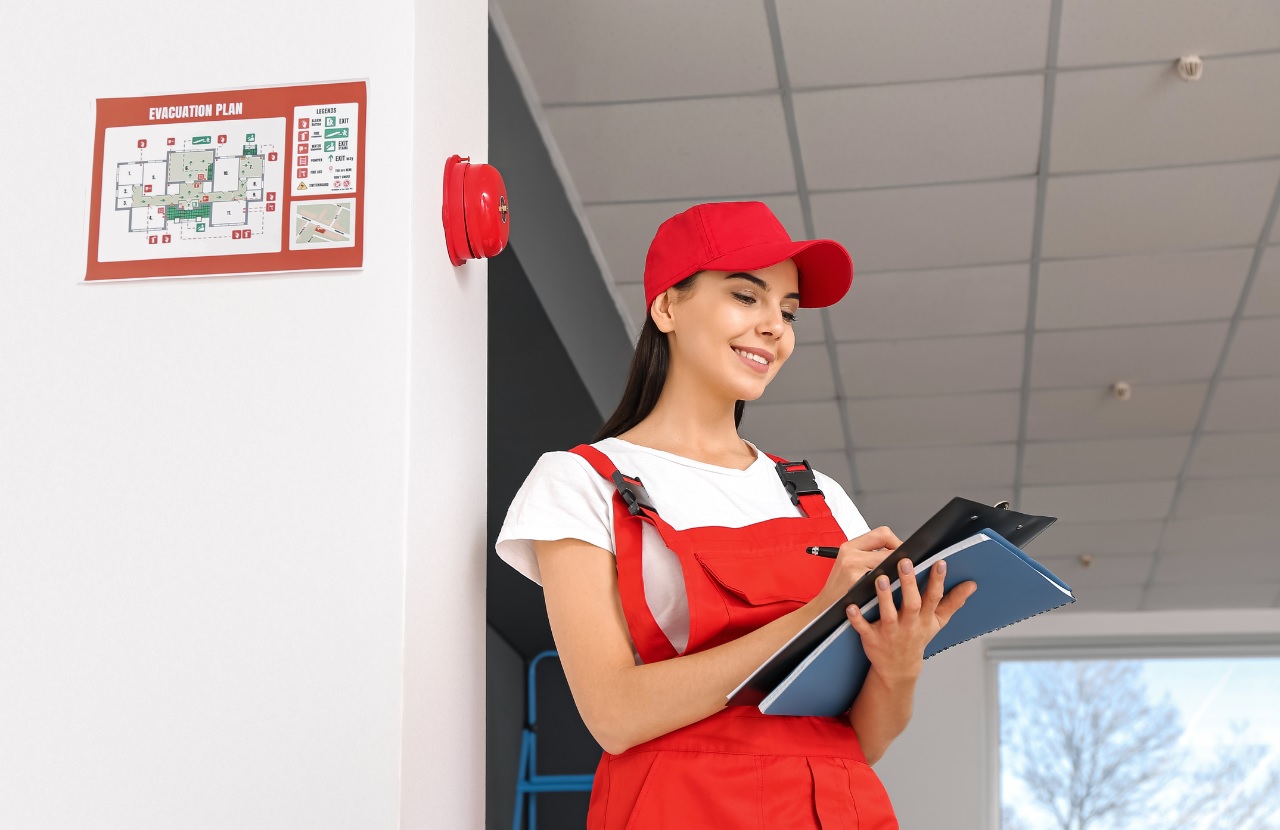
Fire safety is one of the most important responsibilities for any business owner. Whether you manage a small office, a busy restaurant, a warehouse, or a large commercial premises, protecting employees, customers, and property should always be a priority.
While modern buildings are designed with stricter safety standards than ever before, fire risks have also evolved alongside changing workplaces, electrical equipment, and business operations. Investing in the right commercial water mist system can provide an effective layer of protection for many commercial environments while helping to minimise potential fire damage. Understanding today’s fire safety requirements and taking proactive measures can significantly reduce the likelihood of a fire and minimise its impact should one occur.
Understanding Today’s Workplace Fire Risks
Many workplace fires begin with hazards that seem relatively minor. Faulty electrical equipment, overloaded sockets, unattended cooking appliances, combustible waste, and poorly maintained machinery are among the most common causes of commercial fires.
Modern workplaces also contain more electronic devices than ever before. Computers, servers, charging stations, and specialised equipment all increase electrical demand, making regular inspections and maintenance essential.
Businesses should carry out routine fire risk assessments to identify potential hazards before they become serious problems. These assessments should be reviewed regularly, particularly after renovations, changes in layout, or the introduction of new equipment.
Fire Prevention Starts with Good Housekeeping
One of the simplest yet most effective ways to reduce fire risk is maintaining good housekeeping throughout the workplace.
Keeping exits clear, removing unnecessary combustible materials, safely storing chemicals, and disposing of waste regularly all contribute to a safer environment. Staff should know where fire exits are located and ensure they remain unobstructed at all times.
Electrical equipment should be switched off when not in use where appropriate, and damaged cables or faulty appliances should be repaired or replaced promptly rather than ignored.
Small daily habits often make the biggest difference in preventing incidents.
The Importance of Staff Training
Even the most advanced fire protection systems cannot replace well-trained employees.
Every member of staff should understand basic fire safety procedures, including:
- How to raise the alarm
- Where the evacuation routes are
- Where the assembly point is located
- How to report fire hazards
- When it is safe to use a fire extinguisher
Regular fire drills help reinforce these procedures and allow businesses to identify any weaknesses in their evacuation plans.
Training should also be updated whenever new employees join or workplace layouts change.
Choosing the Right Fire Protection System
Traditional sprinklers have long been a common choice for commercial buildings, but many businesses are now considering newer technologies that provide effective protection while minimising damage.
A commercial water mist system uses fine water droplets to cool flames, reduce oxygen around the fire, and limit heat transfer. Because these systems use significantly less water than conventional sprinklers, they can help reduce water damage to equipment, stock, and interiors while still providing highly effective fire suppression.
The right solution depends on the type of premises, occupancy levels, and the specific fire risks associated with the business. Consulting qualified fire safety professionals ensures the chosen system complies with current regulations and meets operational needs.
Fire Safety Is More Than Equipment
Installing alarms and suppression systems is only one part of an effective fire safety strategy.
Businesses should establish clear emergency procedures, assign trained fire wardens where appropriate, and ensure all fire safety equipment is regularly inspected and maintained.
Emergency lighting, smoke detectors, fire doors, extinguishers, and alarm systems all require routine servicing to remain reliable. Neglecting maintenance can result in equipment failing when it is needed most.
Documentation is equally important. Maintaining records of inspections, maintenance, staff training, and fire drills demonstrates compliance and helps businesses stay organised.
Learning from Fire Safety Legislation
Fire safety standards have steadily improved through legislation designed to protect public health and reduce preventable risks.
For example, many people still ask when was smoking banned indoors in UK because the legislation represented a major shift in workplace safety. Beyond improving public health, the smoking ban also reduced the likelihood of accidental fires caused by smoking in enclosed public and commercial spaces.
This serves as a reminder that effective fire safety is not static. Regulations continue to evolve as new technologies, building designs, and workplace practices emerge.
Business owners should stay informed about current legal responsibilities and regularly review whether their existing safety measures remain suitable.
Building a Safer Workplace
Fire safety should never be viewed as a one-off task or a simple compliance requirement. Instead, it should become part of the everyday culture of a business.
Encouraging employees to report hazards, carrying out regular inspections, investing in appropriate fire protection systems, and maintaining clear emergency procedures all contribute to creating a safer working environment.
While no business can eliminate every possible risk, preparation significantly reduces the chance of a small incident becoming a major emergency.
Conclusion
Modern workplaces present a wide range of fire risks, but they also benefit from better technology, stronger regulations, and greater awareness than ever before. By combining good housekeeping, regular staff training, effective fire protection systems, and ongoing maintenance, businesses can protect their people, assets, and operations.
A proactive approach to fire safety is not simply about meeting legal obligations—it is about creating a workplace where employees, customers, and visitors can feel confident that their safety has been carefully considered.