

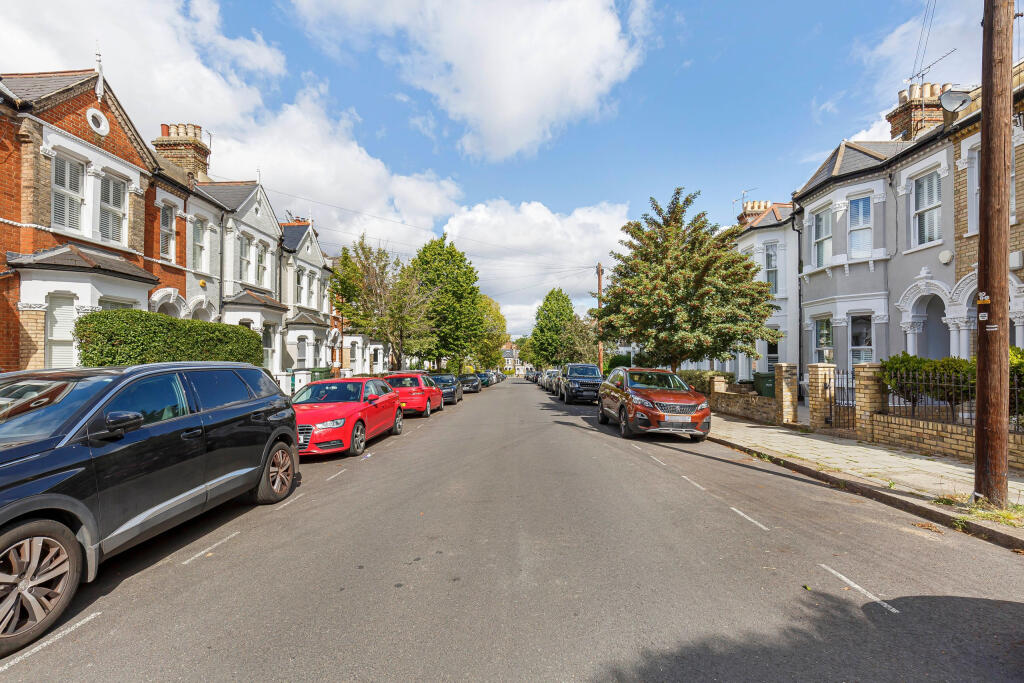
Period properties give Clapham sellers a distinctive advantage, but character alone does not guarantee a successful sale. Buyers are increasingly interested in homes that combine original architectural details with practical layouts, modern comfort and manageable running costs. Victorian and Edwardian terraces, converted flats and larger period residences can all attract different audiences, making the way a property is presented particularly important. Sellers comparing estate agents in Clapham should therefore look beyond standard marketing packages and consider how effectively a firm can communicate the property’s individual character.
Clapham’s period housing stock can create strong visual appeal, from high ceilings and sash windows to fireplaces, cornicing and original flooring. The challenge is showing buyers that these features enhance modern living rather than creating unnecessary maintenance or renovation concerns.
Character Can Strengthen First Impressions
Original features can become some of a period property’s strongest selling points when they are presented properly. Buyers looking for character may respond positively to fireplaces, ceiling roses, decorative mouldings, exposed floorboards, bay windows and traditional doors.
However, sellers should avoid overwhelming rooms with furniture or decorative accessories. The objective is to make architectural details visible while maintaining a sense of space and practicality.
A professional photographer should understand how to capture proportions as well as individual features. Wide-angle images can demonstrate room dimensions, while closer photographs can highlight craftsmanship and condition.
One common mistake is removing original features simply to create a more contemporary appearance. Unless an element is damaged or impractical, preserving distinctive details can help a property stand apart from modern alternatives.
A useful professional tip is to make a short inventory of original features before marketing begins. This ensures important details appear consistently in the listing description, photography and viewings.
Modern Functionality Still Matters
Period character may attract buyers, but today’s households still expect homes to work efficiently. Kitchens, bathrooms, storage, heating and broadband connectivity can influence whether a buyer sees a property as ready for everyday life.
Sellers do not necessarily need to replace an older kitchen or bathroom before putting the property on the market. In many cases, a well-maintained room with quality fittings can complement the character of the rest of the home.
Storage deserves particular attention because period properties can sometimes have less built-in storage than newer homes. Clearing cupboards and demonstrating available space can reassure buyers that the property can accommodate modern possessions.
An overlooked consideration is room flexibility. A second reception room, loft room or large landing may offer potential for working from home, studying or additional storage without requiring major structural changes.
Professional experience suggests sellers should demonstrate possibilities without overpromising. Buyers appreciate seeing how an unusual period layout could work, but they should be allowed to imagine their own solution.
Energy Performance Needs Attention
Energy efficiency can increasingly influence buyer conversations, particularly where older properties have solid walls, traditional windows or ageing heating systems. Sellers should understand their property’s current energy performance before making claims about running costs.
The Energy Performance Certificate provides an important starting point, but buyers may also ask about heating, insulation, glazing and energy bills. Having accurate information available can make conversations more straightforward.
Not every improvement will deliver the same benefit. Sellers should consider the cost and likely value of any work carefully rather than undertaking expensive upgrades immediately before a sale.
The common mistake is assuming that period character and energy efficiency are incompatible. Sensitively chosen improvements can sometimes enhance comfort without compromising architectural features.
A professional tip is to identify practical improvements that are already complete and document them clearly. Recent boiler installation, improved insulation or upgraded controls can provide useful evidence of ongoing investment in the property.
Presentation Should Respect Proportion
Period homes often have generous ceiling heights, large windows and distinctive room proportions. Poor furniture placement can make these advantages less obvious, particularly in photographs.
Sellers should arrange furniture to demonstrate how rooms function while maintaining clear routes through the property. Large pieces that obscure fireplaces, bay windows or architectural details can weaken the visual impact of the listing.
Natural light should also receive attention. Clean windows, open curtains and appropriately positioned mirrors can help rooms appear brighter without requiring major alterations.
Another overlooked factor is the exterior. Front doors, railings, brickwork, planting and entrance paths contribute to the first impression before a buyer reaches the main living space.
A practical professional approach is to photograph the property at a time when natural light best complements its orientation. Period interiors often benefit considerably from carefully timed photography.
Choosing Local Expertise Pays
The right property service should understand how Clapham buyers respond to different types of period homes. A family looking for a substantial Victorian terrace may have very different priorities from a professional buyer considering a converted one-bedroom flat.
When comparing estate agents in Clapham, sellers should ask for examples of similar period properties they have recently marketed. The aim is to understand whether the firm’s experience matches the property’s architecture, price bracket and likely buyer profile.
Local expertise can also prove useful when buyers raise questions about extensions, lease arrangements, service charges, alterations or other property-specific matters. Sellers should ensure important documentation is organised early rather than waiting until an offer has been accepted.
A common mistake is assuming that familiarity with the postcode automatically means expertise with every property type within it. Clapham’s housing stock is diverse, so relevant experience matters.
A professional tip is to compare marketing examples rather than promises. Reviewing how a prospective firm presents comparable period properties can reveal whether its approach genuinely suits your home.
Conclusion
Selling a period property in Clapham is an opportunity to turn architectural character into a compelling buyer proposition. Original features can create an immediate emotional connection, but successful marketing also needs to demonstrate modern functionality, practical storage, energy performance and a layout that supports contemporary lifestyles. Thoughtful presentation can make those qualities visible without stripping away the property’s identity.
Sellers should also prepare documentation and property information early, particularly where older homes have undergone alterations or improvements. Choosing a service with relevant experience can then help ensure those details are communicated accurately to prospective buyers.
Before launching your property, consider obtaining a professional valuation alongside a focused review of its period features, modern upgrades and buyer appeal. A well-prepared Clapham home can stand out for the right reasons and create stronger foundations for a successful sale.