
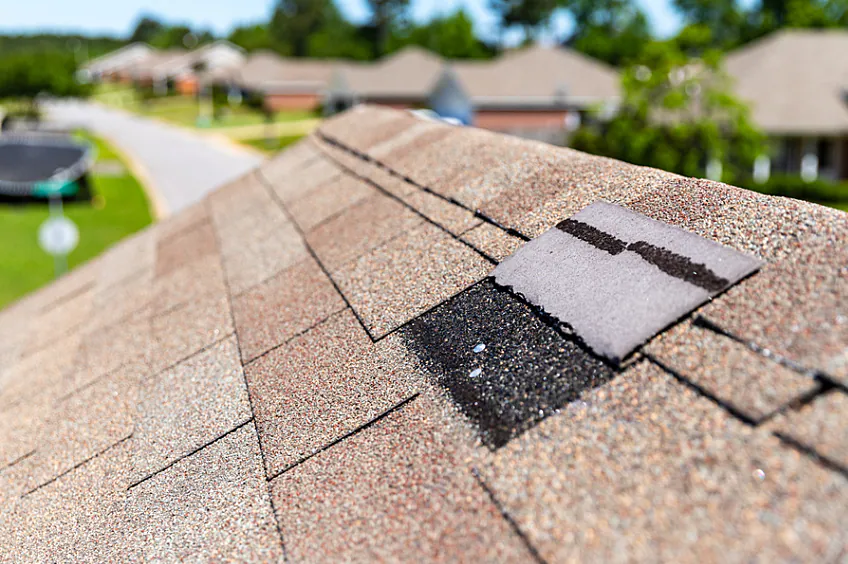
Your roof works nonstop to protect your home, yet it’s often the most overlooked part of the house—until something goes wrong. From slow leaks to sudden storm damage, roofing issues can quietly grow into expensive repairs if left unchecked. Understanding the most common roofing problems helps homeowners spot early warning signs and take action before minor issues turn serious.
Roof Leaks and Water Damage
Roof leaks are one of the most frequent—and costly—issues homeowners encounter. They don’t always announce themselves with dripping water; sometimes the damage builds silently.
Common causes include:
-
Cracked or missing shingles
-
Worn-out flashing around chimneys or vents
-
Damaged underlayment
-
Ice dams in colder climates
Early signs of leaks include water stains on ceilings, peeling paint, and musty odors in the attic. Addressing leaks quickly prevents mold growth and structural damage.
Missing or Damaged Shingles
Shingles take the brunt of harsh weather. High winds, hail, and intense sun exposure can cause them to crack, curl, or blow away entirely.
Why this matters:
-
Exposed roof decking becomes vulnerable to moisture
-
Energy efficiency drops as insulation is compromised
-
Small gaps can lead to widespread water intrusion
Regular visual inspections after storms can help catch shingle damage early.
Poor Roof Installation
Not all roofing problems come from age or weather—some start on day one. Improper installation can shorten a roof’s lifespan significantly.
Installation-related issues may include:
-
Incorrect shingle alignment
-
Inadequate sealing
-
Poor ventilation setup
These mistakes often result in premature leaks, sagging areas, and uneven wear, making professional installation crucial.
Clogged or Damaged Gutters
Gutters play a critical role in directing water away from your roof and foundation. When clogged with leaves or debris, water backs up onto the roof.
Potential consequences:
-
Roof edge rot
-
Fascia and soffit damage
-
Increased risk of leaks near eaves
Cleaning gutters seasonally and checking for loose sections helps prevent these problems.
Flashing Failures
Flashing seals the joints around roof penetrations like skylights, chimneys, and vents. Over time, flashing can corrode, crack, or loosen.
When flashing fails, water seeps into vulnerable areas, often causing hidden leaks that are difficult to detect until damage becomes visible indoors.
Roof Ventilation Problems
Proper ventilation keeps your roof system balanced by allowing heat and moisture to escape.
Poor ventilation can lead to:
-
Higher energy bills
-
Moisture buildup in the attic
-
Premature aging of shingles
Balanced intake and exhaust vents help regulate temperature and extend roof life.
Moss, Algae, and Debris Buildup
Organic growth thrives on roofs that retain moisture, especially in shaded areas.
While algae may seem like a cosmetic issue, moss can lift shingles, allowing water underneath and accelerating deterioration. Regular roof cleaning prevents long-term damage.
Sagging Roof Structure
A sagging roof is a serious warning sign that shouldn’t be ignored. It often indicates structural problems beneath the surface.
Common causes include:
-
Excess weight from snow or debris
-
Long-term water damage
-
Weak or damaged roof supports
This issue requires immediate professional evaluation to ensure safety.
FAQs
How often should I inspect my roof?
Ideally, inspect your roof twice a year—in spring and fall—and after major storms.
Can small roof leaks really cause major damage?
Yes. Even minor leaks can lead to mold growth, insulation damage, and structural rot if left untreated.
How long does a typical residential roof last?
Most roofs last 20–30 years, depending on materials, climate, and maintenance.
Is it safe to walk on my roof to check for damage?
Walking on a roof can be dangerous and may cause additional damage. Visual inspections from the ground or attic are safer options.
What roofing problems are most common after storms?
Storms often cause missing shingles, flashing damage, and clogged gutters.
Does homeowner’s insurance cover roofing issues?
Insurance may cover damage caused by sudden events like storms but usually not problems due to normal wear and tear.
When should I consider replacing instead of repairing my roof?
If repairs are frequent or the roof is nearing the end of its lifespan, replacement may be more cost-effective long-term.