
Roofing is one of the most important elements of any property, protecting the structure from the elements and contributing to its overall durability and appearance. Whether you are building a new home, upgrading an existing roof, or managing a commercial property, understanding roofing materials, techniques, and upkeep is essential. In this guide, we will explore everything you need to know about roofing in detail.
Importance of Roofing in Property Design
The roof is not just a cover; it defines the strength, energy efficiency, and visual appeal of a building. A well-constructed roof provides:
-
Weather protection from rain, wind, snow, and sun
-
Energy efficiency by controlling heat gain and loss
-
Structural integrity by reinforcing walls and foundations
-
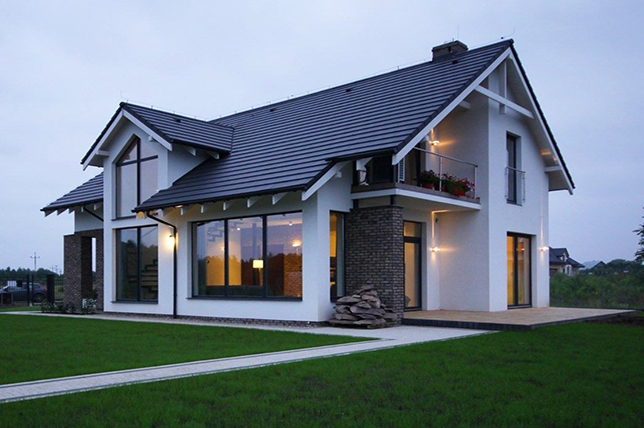
Aesthetic value that enhances curb appeal and property value
Investing in quality roofing ensures long-term savings and reduces the likelihood of costly repairs.
Types of Roofing Materials
Different materials suit different climates, budgets, and architectural designs. Choosing the right option depends on your priorities for durability, cost, and appearance.
Asphalt Shingles
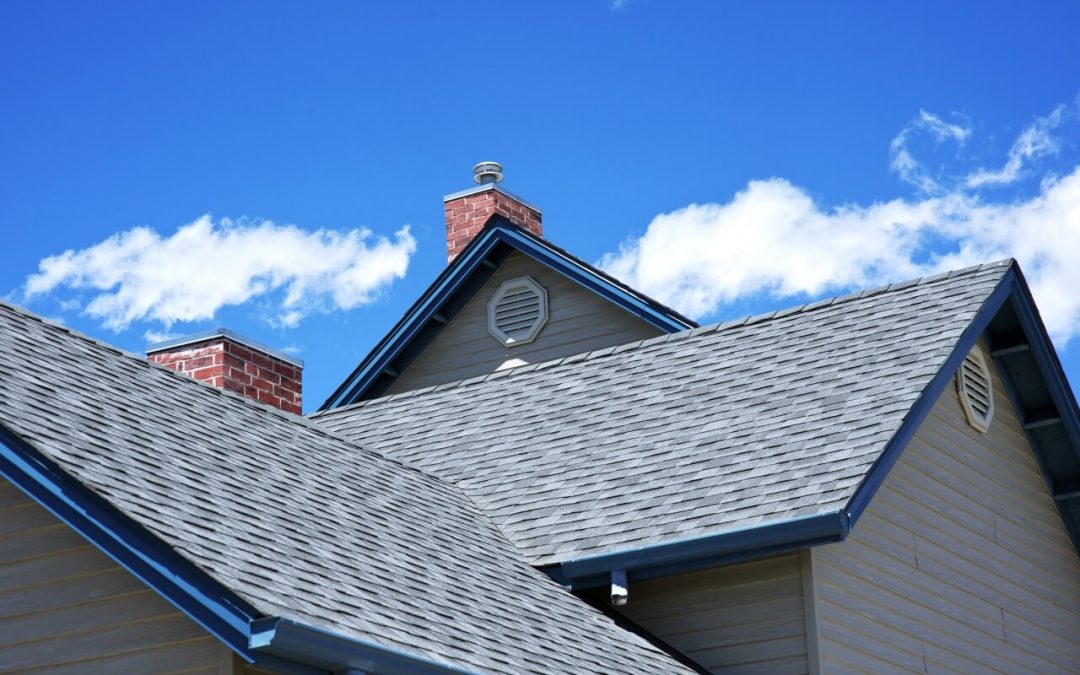
One of the most common choices, asphalt shingles are affordable, versatile, and easy to install. They come in a wide range of colours and designs. However, they may require replacement sooner than premium materials.
Clay and Concrete Tiles
Tiles offer exceptional durability and a distinctive look, especially suited to Mediterranean and traditional architectural styles. They are fire-resistant and long-lasting but heavier than other options, requiring strong roof structures.
Slate Roofing
Slate is a natural stone material that provides elegance and can last for over a century with proper care. While highly durable, slate is costly and requires professional installation.
Metal Roofing
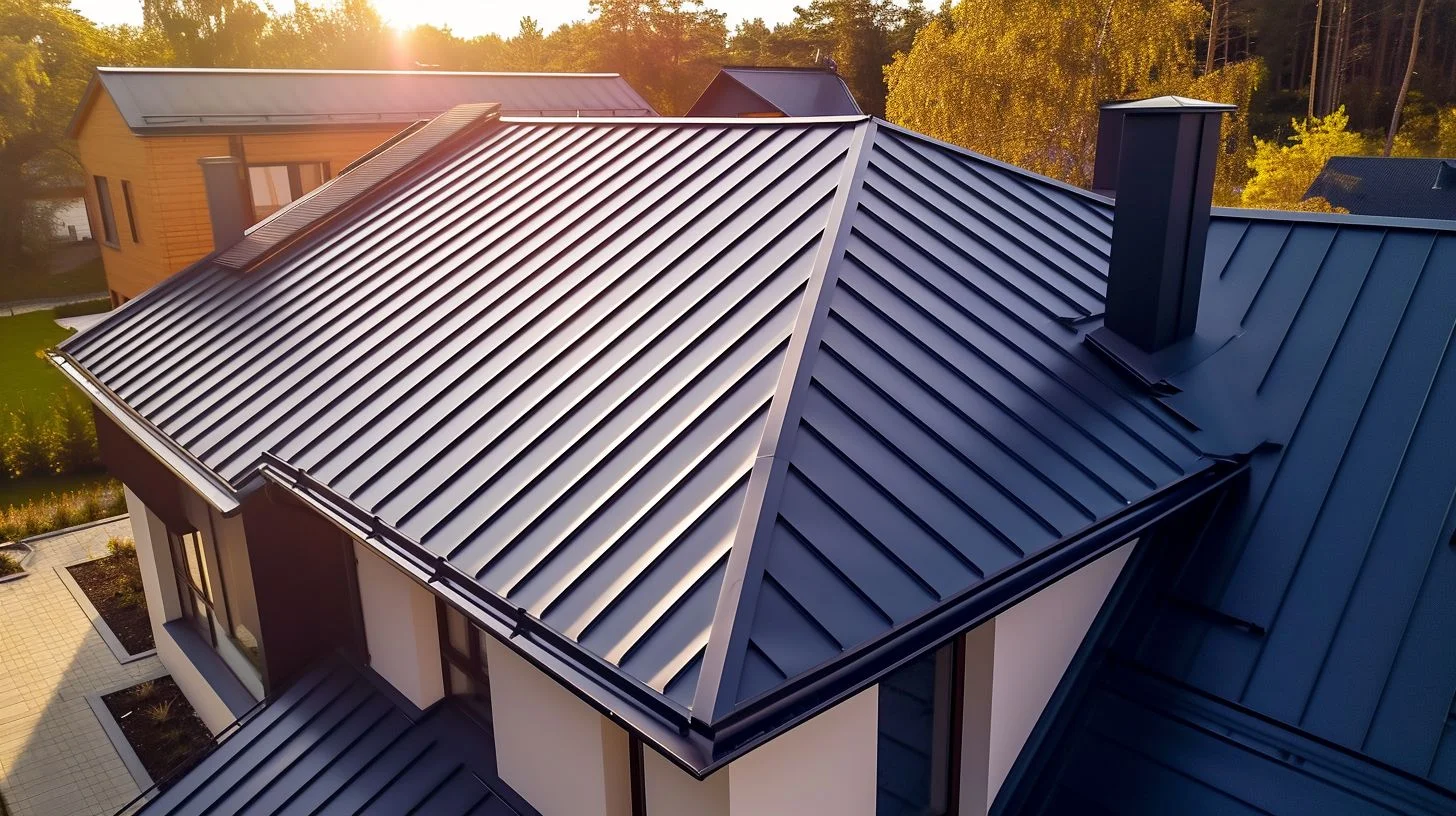
Metal sheets or tiles are gaining popularity for their longevity, low maintenance, and energy efficiency. They are ideal for both residential and commercial properties, offering modern appeal and sustainability.
Wood Shingles and Shakes
Wood provides a natural, rustic look. Shakes are hand-split, giving a textured appearance, while shingles are machine-cut for uniformity. Although attractive, wood requires regular maintenance and is less fire-resistant unless treated.
Synthetic Roofing
Manufactured materials, such as polymer-based tiles, mimic natural roofing like slate or wood while being lighter and often more affordable. They offer durability and easier installation.
Key Factors When Choosing a Roof
Selecting a roofing system involves more than appearance. Homeowners and property managers should consider:
-
Climate suitability: For example, metal roofs perform well in heavy snow regions, while clay tiles are ideal for hot climates.
-
Budget constraints: Material and installation costs vary significantly.
-
Longevity: Some materials last decades longer than others.
-
Maintenance requirements: Low-maintenance materials reduce long-term costs.
-
Energy efficiency: Reflective materials can lower heating and cooling bills.
Roofing Installation Process
Proper installation is as critical as the materials chosen. A roof’s performance and durability largely depend on correct construction techniques.
Preparation
-
Inspect the structure to ensure it can support the selected roofing.
-
Remove old roofing materials if necessary.
-
Install underlayment to provide an additional layer of protection.
Installation
-
Lay out roofing materials according to manufacturer guidelines.
-
Secure materials with nails, screws, or adhesives as required.
-
Install flashing around chimneys, skylights, and valleys to prevent leaks.
Finishing
-
Add ridge caps and ventilation systems.
-
Conduct a final inspection to ensure all areas are sealed.
Roofing Maintenance and Care
A roof can only last its intended lifespan if maintained correctly. Routine inspections and minor repairs prevent larger issues.
Regular Inspections
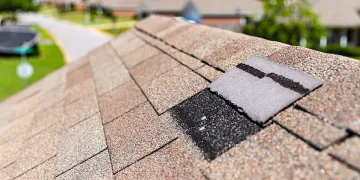
Check at least twice a year, ideally in spring and autumn, and after severe weather. Look for broken tiles, missing shingles, or damaged flashing.
Gutter Cleaning
Blocked gutters can lead to water pooling and roof damage. Keep gutters and downpipes clear of leaves and debris.
Moss and Algae Control
Organic growth can weaken roofing materials. Use appropriate cleaning solutions or zinc/copper strips to control moss and algae.
Prompt Repairs
Address leaks, cracks, or loose materials immediately. Delayed repairs can escalate into expensive structural issues.
Sustainable Roofing Solutions
With rising interest in eco-friendly building, sustainable roofing has become more important.
-
Cool roofs with reflective surfaces reduce energy consumption.
-
Green roofs with vegetation provide insulation and biodiversity.
-
Solar roofs integrate photovoltaic panels for renewable energy generation.
These solutions not only reduce environmental impact but also improve long-term cost efficiency.
Common Roofing Problems
Every roofing system faces challenges over time. Recognising these early can prevent damage.
-
Leaks and water ingress from poor flashing or damaged tiles
-
Structural sagging due to water accumulation or weakened support
-
Wind damage causing uplift or missing shingles
-
Thermal cracking from temperature fluctuations
Timely action ensures safety and extends the life of the roof.
Role of Professional Roofers
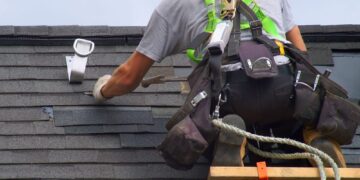
While some maintenance tasks can be handled by homeowners, professional roofers bring expertise in:
-
Accurate material selection
-
Skilled installation
-
Safety compliance
-
Warranty protection
Professional services ensure long-term performance and peace of mind.
FAQs on Roofing
How long does a typical roof last?
The lifespan varies: asphalt shingles last 20–30 years, metal roofs up to 50 years, and slate can exceed 100 years with proper maintenance.
How can I tell if my roof needs replacing?
Signs include frequent leaks, sagging, missing shingles, or roofing material that has exceeded its expected lifespan.
What is the best roofing material for energy efficiency?
Metal and reflective cool roofs are among the best for reducing energy bills, while green roofs offer excellent insulation benefits.
Can roofing work be done in winter?
Yes, though colder weather can complicate installation. Certain adhesives may not set properly, and safety risks increase with ice and snow.
Is a roof inspection necessary if I don’t see damage?
Absolutely. Some issues are not visible from the ground, and minor problems can develop into serious damage if unnoticed.
What is the most cost-effective roofing solution?
Asphalt shingles are typically the most affordable upfront, though long-term value may be greater with metal or slate due to their durability.