

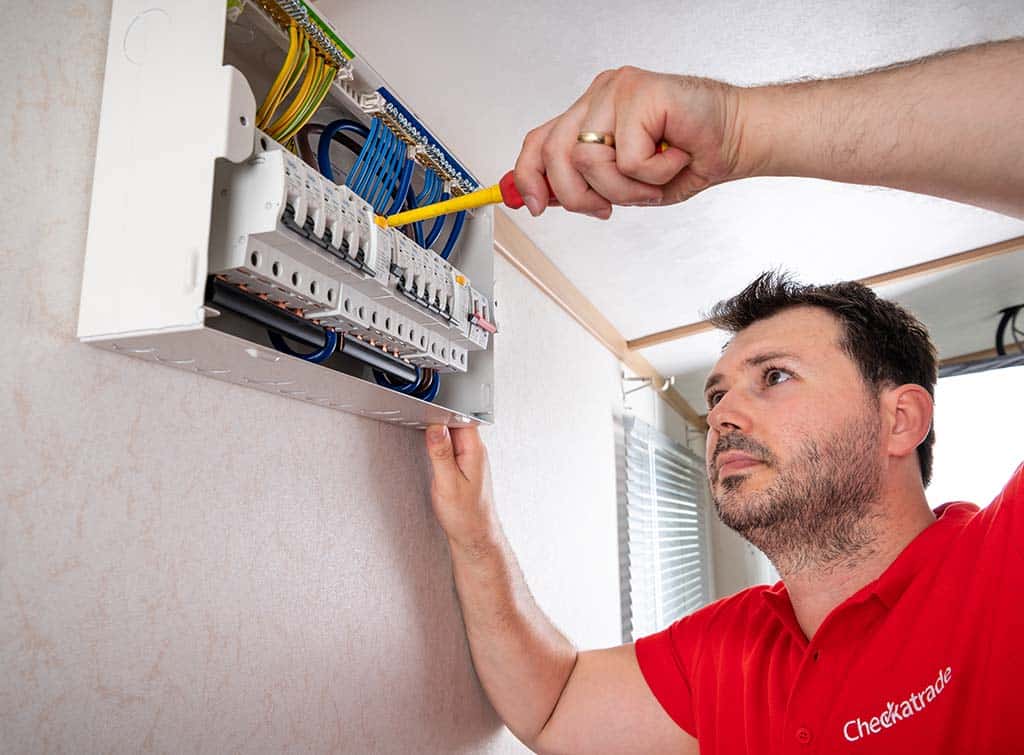
Many homes in Surrey, particularly in towns like Guildford, Woking and Epsom, were built decades ago. And while their character and charm certainly remain, their electrical wiring may not be in line with modern standards.
Outdated systems can be dangerous, as they may be more prone to faults. To avoid both fire and other safety risks, it’s important to know the signs of faulty wiring – and when to call in the professionals.
Common Wiring Faults To Watch Out For
If you spot any of the following, it’s strongly recommended to book in a check-up with one of the many NICEIC-approved electricians serving Surrey homes.
Frequent Tripping and Flickering Lights
One of the most common signs of wiring issues is a circuit breaker that trips regularly. This often indicates overloaded circuits or damaged wires.
Flickering or dimming lights may just be caused by an issue with a lightbulb, but it could also be something more serious. If it’s happening when appliances are turned on, this may suggest loose connections or voltage fluctuations. These are problems best addressed by a professional.
It’s often the case that in older homes, the original wiring was not designed to accommodate the number of modern appliances we use today.
If you live in an older house and are experiencing repeated tripping, it could mean your circuits are being pushed beyond their capacity. This is a risk that should not be ignored, and will unfortunately mean that at least part of your house will need to be rewired.
Buzzing Sockets and Burning Plastic Smells
Can you hear buzzing near sockets, or smell burning plastic? These are both major red flags, which indicate potentially serious fire hazards such as overheating and/or arcing wires.
Buzzing often comes from current jumping between faulty connections – this is what electricians call ‘arcing’. If left unchecked, this can cause electrical fires behind walls or within fuse boards. Similarly, any sign of melted plastic smell could suggest insulation on the wires is breaking down, exposing live wires.
You should never ignore either of these symptoms. If you notice them, turn off the power and call an expert immediately.
Discoloured Outlets or Warm Wall Plates
Have you noticed a yellow or brownish tint around plug sockets, or even more worryingly – black scorch marks? If you notice this, or wall plates that feel warm to the touch, these are further warning signs that the wiring beneath the surface may be overheating.
Even without an accompanying smell, any signs of heat around outlets mean it’s time to have an inspection. Safe wiring should never cause heating on external components.
When to Bring in the Experts
There are a small number of household issues involving electricals which may seem manageable, such as changing a fuse for example.
But most wiring faults will require a qualified engineer to take a look. DIY fixes should not be attempted, not only for the sake of your own personal safety. You could end up making a dangerous mistake or invalidating your home insurance policy by attempting to fix electrical issues yourself.
If your property hasn’t had an electrical inspection in the last 10 years, it’s a good idea to schedule one. An Electrical Installation Condition Report (EICR) can identify unseen issues and provide a clear safety rating for your system. Landlords are legally required to carry these out, but it’s also good practice for homeowners.