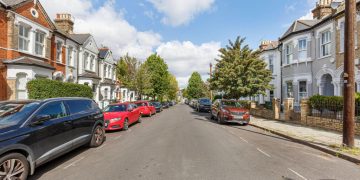


Selling a property in the UK has become a more deliberate process. Buyers in 2026 are cautious and well informed. They analyse price history, compare similar homes, and assess long-term value before making contact. Many buyers also monitor how long a property has been listed, using this as a measure of confidence and demand. A slow-moving listing can raise concerns, even if the home itself is appealing.
The property market now favours sellers who prepare early and present clearly. Homes that launch with confidence tend to generate momentum quickly. Those that hesitate often struggle to regain attention later. Faster sales usually come from strong pricing decisions, thoughtful presentation, and professional input, including services such as home staging london, which reflect how lifestyle and visual appeal shape buyer behaviour today.
1. Price realistically from day one
Pricing remains the most powerful factor influencing speed. Buyers in 2026 have access to detailed data, including recent sold prices, demand levels, and local trends. If an asking price feels unrealistic, many buyers will not enquire at all. Instead, they move on to properties that feel better aligned with the market.
The early launch period is critical. The first two weeks often attract the highest level of interest. A correctly priced property benefits from this surge, creating urgency and encouraging quicker decisions. This can lead to stronger offers and reduce the likelihood of drawn-out negotiations.
Estate agents play an important role in guiding pricing decisions. They should provide clear evidence, not optimism. Using comparable sales and local demand data helps sellers position their home accurately and avoid price reductions later, which can slow progress.
2. Focus on first impressions inside and out
First impressions form before a buyer arrives at the door. Online images, street appearance, and the surrounding environment all shape expectations. A tired exterior can suggest neglect, even if the interior is well maintained.
Small external improvements can significantly improve appeal. Clear pathways, tidy gardens, and clean windows all signal care. Repainting doors or repairing fences can also make a property feel more welcoming and reliable.
Inside the home, buyers want clarity. They want to understand how space works and how rooms connect. Excess furniture and personal items can distract from this. Neutral décor and well-defined spaces allow buyers to visualise their own lifestyle more easily.
3. Use professional photography and video
Most buyers begin their search online, often scrolling through dozens of listings in one session. Poor images can cause a property to be dismissed instantly, regardless of price or location.
Professional photography presents a home accurately and attractively. It captures light, proportion, and flow. This leads to higher-quality enquiries and fewer wasted viewings.
Video tours have become increasingly important in 2026. They allow buyers to understand layout and movement through the home. This helps serious buyers commit more quickly once they decide a property meets their needs.
4. Prepare your home thoroughly for viewings
Viewings are where buyers form emotional connections. A well-prepared home helps them imagine daily life there. Comfort and cleanliness influence how long buyers stay and how positively they respond.
Before each viewing, focus on presentation. Kitchens and bathrooms should feel fresh. Floors and surfaces should be clean. Neutral scents are best, as strong smells can be distracting or uncomfortable.
Lighting and temperature also affect mood. Bright rooms feel more open. Comfortable warmth encourages buyers to relax and take their time. Flexible viewing availability further increases interest and reduces delays.
5. Choose the right estate agent for your area
Not all estate agents offer the same level of service. Local knowledge makes a difference. Agents who understand the area know buyer expectations and pricing sensitivity.
In 2026, effective agents act as advisers. They guide sellers on preparation, marketing, and negotiation. They also manage communication carefully, keeping momentum high throughout the process.
When choosing an agent, look beyond fees. Ask about marketing reach, follow-up processes, and buyer qualification. A proactive agent who communicates clearly can shorten the selling timeline significantly.
6. Time your sale with market conditions in mind
Although properties sell year-round, timing still influences demand. Certain periods naturally attract more buyers. Spring and early autumn remain popular, particularly for families planning moves around school terms.
Wider market conditions also affect confidence. Interest rate changes, employment stability, and local infrastructure projects all play a role. Sellers who monitor these factors can choose more favourable moments to list.
An experienced agent can help interpret local signals. Sometimes acting quickly avoids competition. In other cases, waiting briefly improves buyer interest. Strategic timing often results in faster offers and smoother negotiations.
7. Be legally and financially prepared early
Many sales are delayed after an offer is accepted. Missing paperwork, unresolved issues, or slow responses can frustrate buyers and increase the risk of withdrawal.
Instructing a solicitor early helps prevent these problems. Gather documents in advance. Clarify boundaries, leasehold details, and service charges where applicable. Transparency builds trust and keeps progress steady.
Financial readiness also matters. Buyers feel reassured when sellers are organised and responsive. A smooth process reduces renegotiation and helps transactions reach completion faster.
Final thoughts
Selling quickly is rarely about one single change. It is the result of several well-timed decisions working together. When pricing, presentation, marketing, and communication align, buyers feel confident and motivated to act. Sellers who remain flexible, responsive, and well organised throughout the process often experience fewer delays and stronger commitment from buyers, even in competitive conditions.
In 2026, confidence is a key driver of speed. Buyers move faster when they trust what they see and hear. Clear information, honest guidance from estate agents, and a well-prepared home reduce hesitation at every stage. By focusing on clarity rather than pressure, sellers can achieve a faster sale while maintaining control and peace of mind throughout the journey.