
Home improvement is more than just updating the aesthetics of your property. It is about enhancing functionality, increasing value, and creating a comfortable environment tailored to your lifestyle. From small DIY upgrades to full-scale renovations, investing in your home can bring lasting benefits. This guide explores practical aspects of home improvement, covering planning, design, materials, and modern trends, with tips that are relevant whether you own a house, flat, or cottage.
Why Home Improvement Matters
Making improvements to your home provides both immediate and long-term rewards. A well-executed project increases property value, improves energy efficiency, and enhances comfort. Simple tasks like repainting a wall or upgrading lighting can refresh interiors, while large projects like extensions or loft conversions can transform the way you live. For many homeowners, home improvement is also a way of personalising a space, ensuring it reflects individual taste and practical needs.
Planning Your Home Improvement Project
Before beginning any project, proper planning is crucial. Jumping in without preparation can lead to wasted money, delays, or unsatisfactory results.
Setting a Budget
Your budget should reflect not only the cost of materials but also labour, permits, and unexpected expenses. It is wise to set aside at least 10–15% of your budget for contingencies.
Understanding Scope
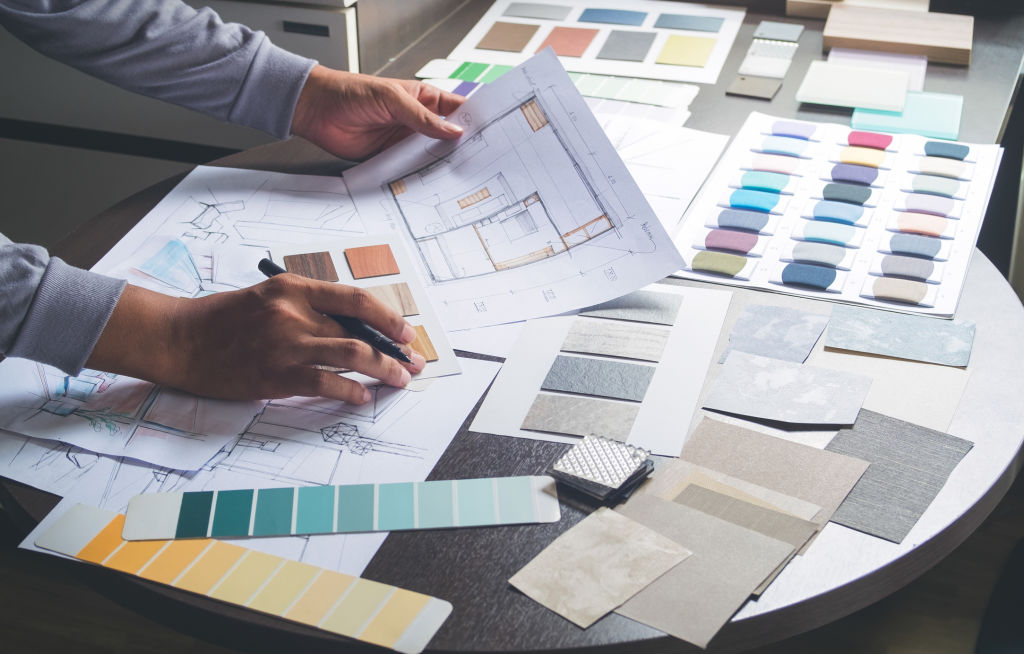
Clearly define the scope of work. Are you replacing old fixtures, modernising interiors, or extending living space? Establishing scope ensures accurate cost estimation and efficient scheduling.
Obtaining Permissions
Some projects, such as extensions, loft conversions, or structural changes, require planning permission. Always check with your local authority before beginning work.
Popular Home Improvement Projects
Kitchen Renovations
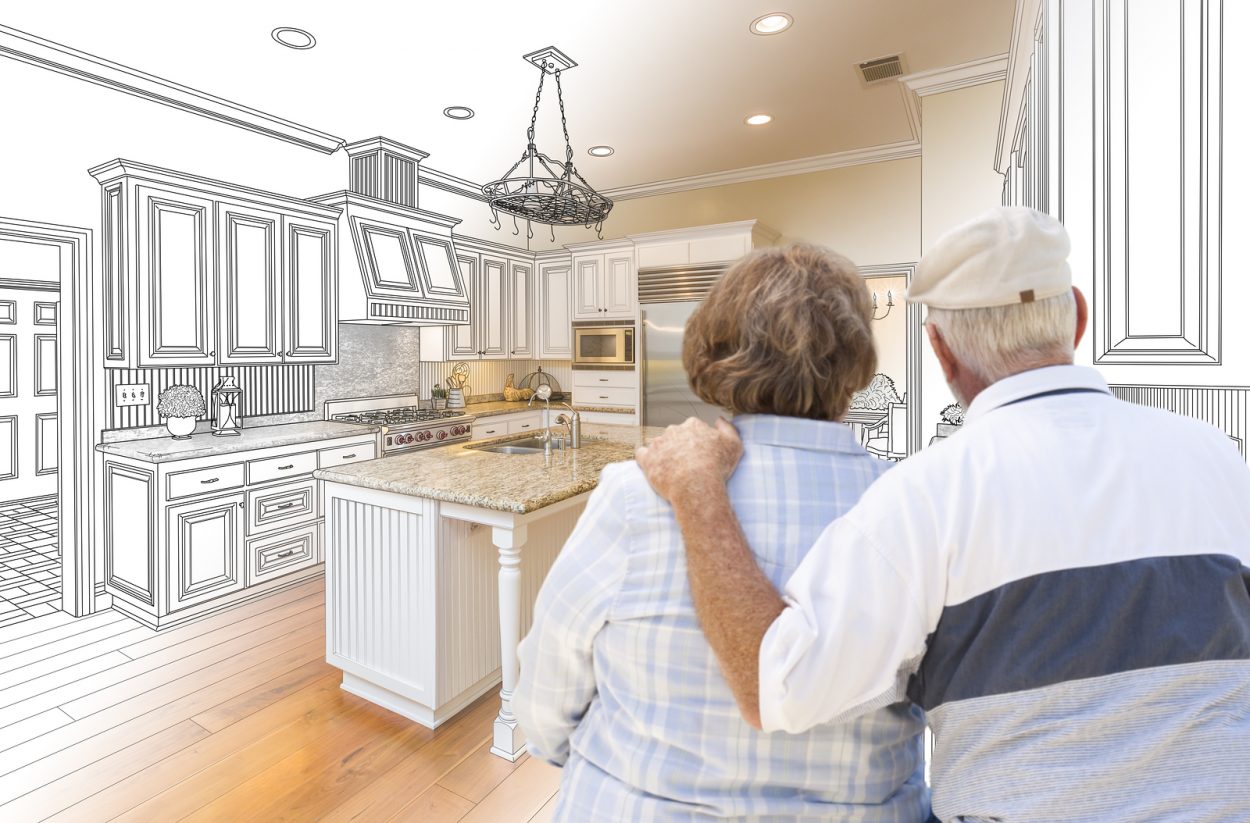
The kitchen is often the heart of the home. Improvements might include installing modern cabinetry, upgrading worktops, or adding energy-efficient appliances. Kitchen islands, open shelving, and integrated lighting are current favourites for creating functional yet stylish spaces.
Bathroom Upgrades
Bathrooms can be transformed with walk-in showers, rainfall showerheads, heated flooring, or freestanding tubs. Tiles in neutral tones paired with contemporary fittings provide a timeless look while improving practicality.
Loft and Basement Conversions
Converting unused spaces is one of the most efficient ways to increase living area without extending. Loft conversions can provide additional bedrooms, while basements can be transformed into home cinemas, gyms, or offices.
Garden and Outdoor Enhancements
Home improvement is not limited to interiors. Outdoor spaces can be revitalised with decking, patios, pergolas, or landscaped gardens. Adding lighting and outdoor kitchens extends usability well into the evenings and across seasons.
Materials and Finishes
Choosing the right materials ensures durability and style. Natural wood, stone, and ceramic tiles are popular choices for their aesthetic appeal and longevity. Eco-friendly options, such as bamboo flooring or recycled materials, are increasingly favoured by environmentally conscious homeowners.
Energy Efficiency in Home Improvement
Sustainability has become central to modern projects. Energy-efficient windows, insulation, and LED lighting reduce bills while minimising environmental impact. Installing solar panels or smart thermostats can make a significant difference in long-term savings.
Design and Style Considerations
Modern Minimalism
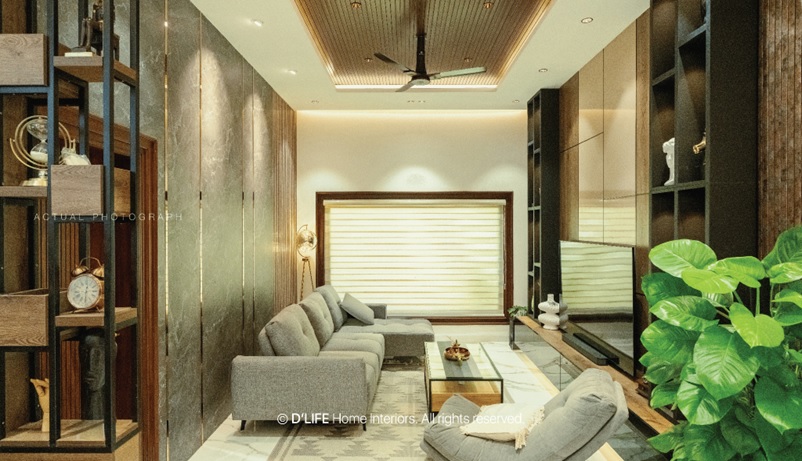
Clean lines, neutral colours, and functional furniture dominate this trend, creating a clutter-free environment.
Traditional Elegance
Period properties benefit from classic improvements such as restored fireplaces, detailed mouldings, or traditional flooring.
Blending Styles
Many homeowners prefer a mix of modern and traditional elements, such as sleek furniture paired with rustic beams or industrial lighting in a Victorian terrace.
DIY vs Professional Work
While painting, tiling, and minor carpentry can often be handled by enthusiastic DIYers, larger tasks such as electrical rewiring, plumbing, or structural changes require certified professionals. Balancing DIY with professional input saves money while ensuring safety and compliance.
Increasing Property Value Through Home Improvement
Well-planned projects can significantly raise property value. For example:
-
Adding an extra bathroom can increase value by up to 10%.
-
Kitchen remodels often return 70–80% of the investment.
-
Energy-efficient upgrades can make a home more attractive to buyers.
Safety and Compliance
Safety should always be prioritised. Electrical work should meet regulations, gas installations require certified engineers, and structural changes must adhere to building codes. Cutting corners may save money initially but risks serious consequences later.
Long-Term Maintenance
Home improvement should also focus on durability. Using high-quality finishes, weather-resistant materials, and protective coatings reduces future maintenance. A well-maintained home is more cost-effective in the long run.
Modern Technology in Home Improvement
Smart homes are becoming increasingly popular. Features such as voice-controlled lighting, automated blinds, and integrated security systems add convenience and enhance security. Homeowners seeking modern upgrades often prioritise connectivity alongside aesthetics.
Common Mistakes to Avoid
-
Underestimating costs and timelines
-
Choosing style over function
-
Neglecting storage solutions
-
Ignoring lighting as a design element
-
Failing to hire qualified professionals when needed
FAQs on Home Improvement
What is the most cost-effective home improvement project?
Painting and updating lighting are among the most affordable projects that deliver significant visual impact.
How can I improve my home without major renovations?
Simple updates like replacing handles, updating curtains, and decluttering can make a home feel new without major construction.
Do home improvements always add value?
Not all projects yield equal returns. Kitchens, bathrooms, and additional living spaces typically offer the highest value increases.
How do I choose between DIY and hiring a professional?
Consider complexity, safety, and regulations. If the project involves structural, electrical, or gas work, hire a professional.
What are eco-friendly home improvement options?
Eco-friendly improvements include solar panels, recycled building materials, sustainable flooring, and high-performance insulation.
How long should a typical home improvement project take?
Timelines vary depending on scope. A bathroom renovation may take two weeks, while a full extension could take several months.