
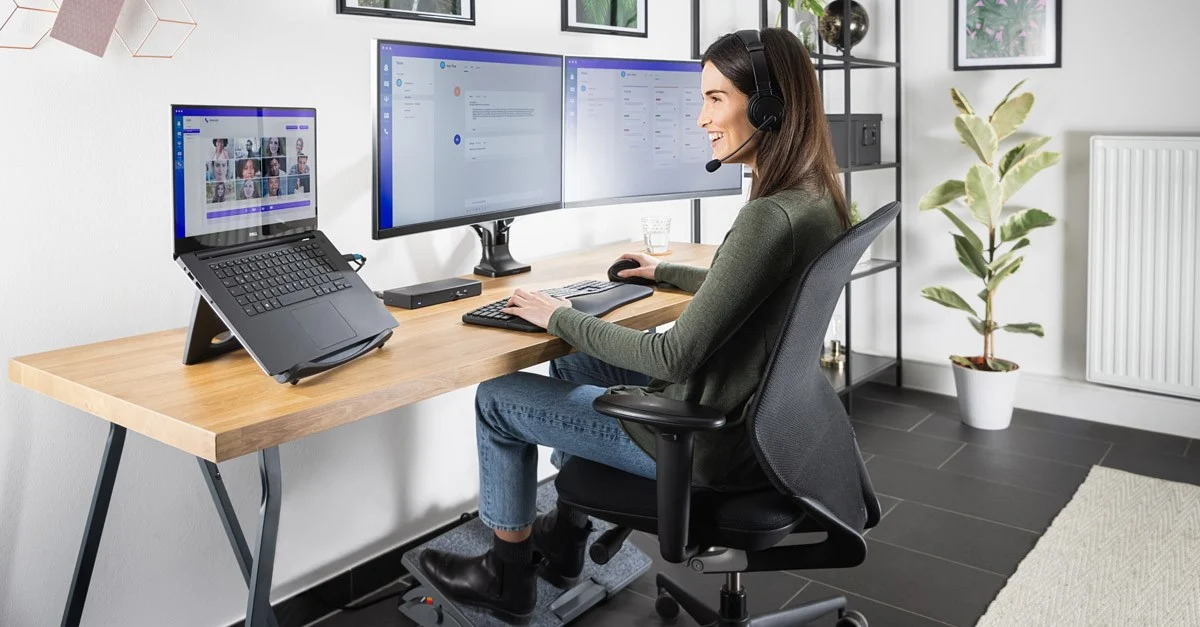
Working from home can either sharpen your focus or quietly drain it—often depending on how your space is designed. A well-planned home office interior doesn’t just look good; it actively supports concentration, comfort, and consistent output. From layout decisions to lighting choices, every detail influences how effectively you work throughout the day.
This guide breaks down practical, design-led strategies to help you build a home office that genuinely boosts productivity.
The Foundation: Purpose-Driven Layout
Before choosing furniture or colors, define how you work. Your layout should reflect your daily tasks, not fight them.
Key layout principles
-
Dedicated work zone: Separate your office from relaxation areas to create a psychological boundary between work and rest.
-
Clear movement paths: Avoid cramped arrangements that restrict movement or cause visual clutter.
-
Desk positioning: Place your desk where distractions are minimal, ideally facing a wall or window rather than high-traffic areas.
A thoughtful layout reduces decision fatigue and keeps your attention anchored on work.
Ergonomics: Comfort That Sustains Focus
Productivity drops quickly when your body is under strain. Ergonomic design protects your health and keeps energy levels steady.
Essentials for ergonomic comfort
-
Chair with lumbar support: Maintains natural spine alignment during long work sessions.
-
Desk at correct height: Your elbows should rest at a 90-degree angle while typing.
-
Monitor at eye level: Prevents neck strain and eye fatigue.
Comfort isn’t a luxury—it’s a productivity multiplier.
Lighting That Works With You, Not Against You
Poor lighting leads to headaches, eye strain, and sluggishness. A layered lighting approach creates balance throughout the day.
Smart lighting strategies
-
Natural light first: Position your desk near a window to benefit from daylight and improved mood.
-
Task lighting: Use an adjustable desk lamp for focused work.
-
Ambient lighting: Soft overhead or wall lighting reduces harsh contrasts.
Avoid glare on screens and overly warm bulbs that encourage drowsiness.
Color Psychology in the Home Office
Colors subtly influence focus, motivation, and stress levels. Choosing the right palette can improve how you feel while working.
Productive color choices
-
Neutral tones (white, beige, gray): Create calm, distraction-free environments.
-
Blue shades: Encourage focus and mental clarity.
-
Green accents: Reduce eye strain and promote balance.
Use bold colors sparingly—prefer accents over full walls to avoid visual overload.
Storage and Organization: Declutter to Think Clearly
Visual clutter competes for attention. An organized space supports sharper thinking and faster task completion.
Practical organization ideas
-
Closed storage: Cabinets or drawers hide distractions.
-
Vertical shelving: Maximizes space without crowding the floor.
-
Cable management: Keeps desks clean and stress-free.
A tidy workspace often leads to a tidier workflow.
Personal Touches That Inspire Without Distracting
A productive home office doesn’t have to feel sterile. The key is intentional personalization.
Balanced personalization tips
-
Indoor plants: Improve air quality and reduce stress.
-
Minimal artwork: Choose pieces that inspire without overwhelming.
-
Textures and materials: Wood, fabric, or metal accents add warmth and depth.
If it doesn’t support focus or well-being, it doesn’t belong in the workspace.
Technology Integration for Seamless Work
Design should support technology, not hide it poorly.
Design-friendly tech integration
-
Built-in power outlets: Reduce visible cords.
-
Acoustic panels or rugs: Improve sound quality for calls.
-
Smart lighting and thermostats: Maintain comfort without interruption.
A tech-ready office minimizes friction and keeps your workflow smooth.
FAQ
1. What is the most important factor in a productive home office?
Ergonomics is the most critical factor, as physical discomfort quickly leads to reduced focus and efficiency.
2. How much space do I need for a functional home office?
You can create an effective setup in as little as 40–50 square feet with smart layout and vertical storage.
3. Is natural light essential for productivity?
While not mandatory, natural light significantly improves mood, alertness, and overall work satisfaction.
4. Can a home office be productive without a separate room?
Yes. A clearly defined workspace using furniture placement or partitions can be just as effective.
5. How do I reduce distractions in my home office?
Use closed storage, neutral colors, noise control solutions, and keep non-work items out of sight.
6. Are standing desks better for productivity?
Standing desks can improve energy levels when used alternately with sitting, but they are not inherently more productive on their own.
7. How often should I update or redesign my home office?
Reassess your setup once a year or whenever your work demands change to ensure it still supports your productivity.