
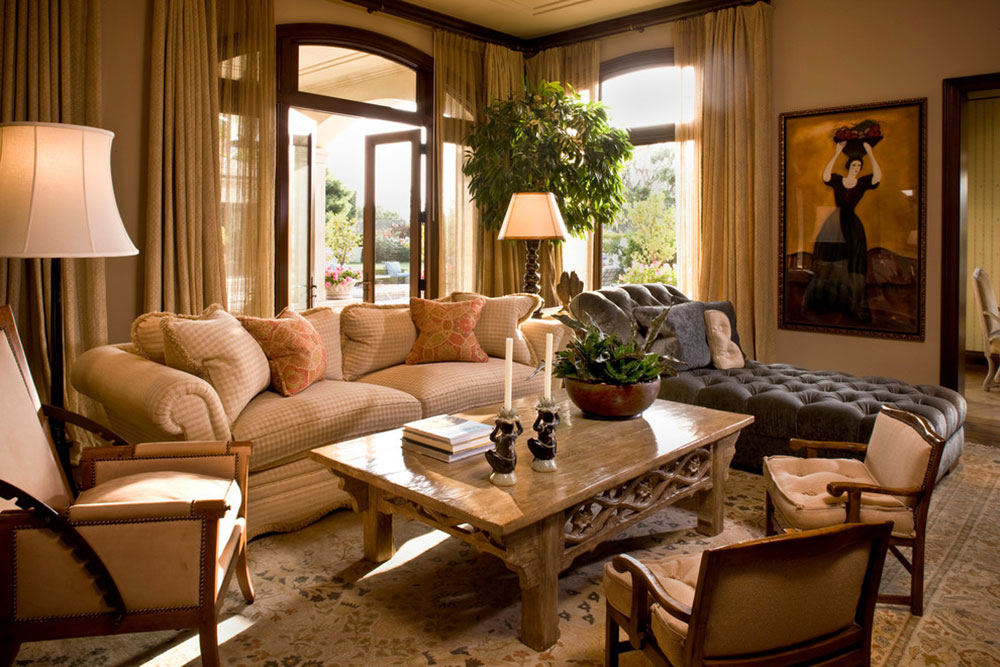
Trends come and go, but some interior design styles remain relevant decade after decade. These timeless interior design styles focus on balance, quality, and restraint rather than fleeting fads. Choosing an enduring style not only elevates your home’s aesthetic but also ensures long-term value and comfort.
Below are the most enduring interior design styles that continue to inspire homeowners and designers alike.
Classic Interior Design
Classic design is rooted in European traditions and emphasizes symmetry, elegance, and refinement. It’s a style that feels formal without being cold.
Key characteristics include:
-
Neutral color palettes with warm undertones
-
Architectural details like crown molding and wainscoting
-
Quality furniture with graceful curves
-
Layered lighting using chandeliers, sconces, and table lamps
This style endures because it prioritizes proportion and craftsmanship, elements that never feel outdated.
Modern Interior Design
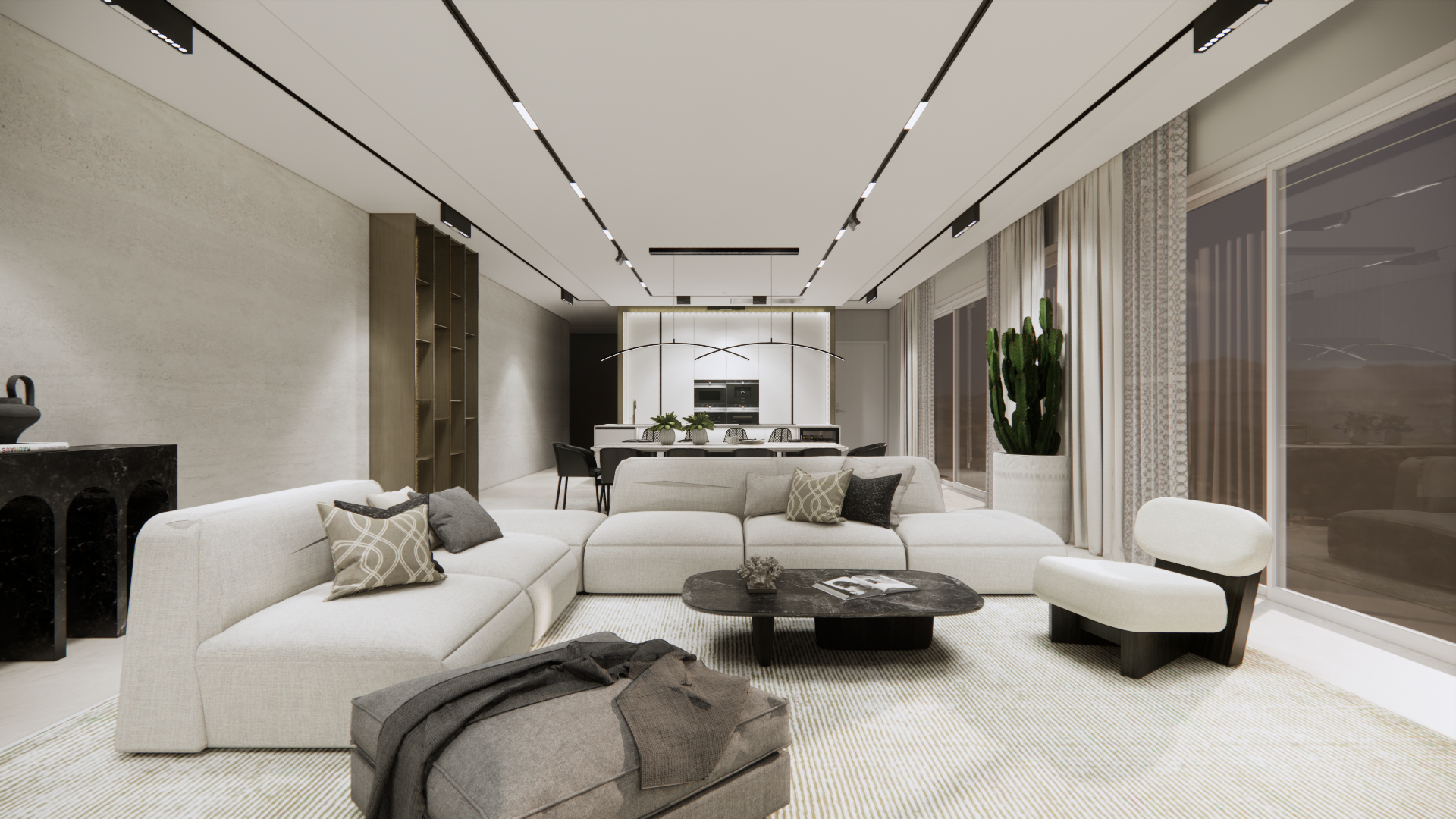
Often confused with contemporary design, modern interior design is based on early-to-mid 20th century principles. It focuses on simplicity and purposeful design.
Notable elements:
-
Clean lines and uncluttered spaces
-
Functional furniture with minimal ornamentation
-
Natural materials such as wood, leather, and stone
-
A restrained color palette with occasional bold accents
Modern interiors age well because they avoid excess and emphasize functionality.
Transitional Interior Design
Transitional design blends the warmth of traditional style with the clean simplicity of modern interiors. This balance makes it one of the most popular timeless choices.
Defining features:
-
Soft neutral color schemes
-
Streamlined furniture with subtle curves
-
A mix of classic and modern materials
-
Simple yet elegant décor
Its adaptability allows homeowners to refresh accents over time without redesigning the entire space.
Scandinavian Interior Design
Originating in Nordic countries, Scandinavian design values comfort, functionality, and light.
Core elements include:
-
Bright, airy spaces with white or light-gray walls
-
Natural textures like wood, wool, and linen
-
Minimalist décor with cozy accents
-
Emphasis on natural light
This style endures because it embraces simplicity while remaining warm and livable.
Mid-Century Modern Design
Mid-century modern design remains influential decades after its rise in the 1950s and 60s. Its appeal lies in its bold yet balanced aesthetic.
Key traits:
-
Tapered legs and organic furniture shapes
-
Mix of natural and man-made materials
-
Muted base colors with vibrant accents
-
Open layouts that encourage flow
This style’s longevity comes from its innovative design and timeless silhouettes.
Neutral and Minimalist Design
Minimalist interiors centered on neutral tones are among the most enduring styles. They allow spaces to feel calm, flexible, and visually expansive.
Common features:
-
Whites, beiges, and soft grays
-
Limited décor with intentional placement
-
Focus on texture over pattern
-
High-quality materials over quantity
By avoiding visual clutter, minimalist spaces remain relevant regardless of changing trends.
Why Timeless Interior Design Matters
Choosing a timeless design style offers long-term benefits:
-
Reduces the need for frequent renovations
-
Enhances resale value
-
Creates a comfortable, enduring living environment
-
Allows flexibility to update with accessories rather than structural changes
Timeless design is less about strict rules and more about thoughtful choices that stand the test of time.
Frequently Asked Questions
What makes an interior design style timeless?
A timeless style emphasizes balance, neutral colors, quality materials, and functional layouts rather than trend-driven elements.
Can timeless interiors still feel personal?
Yes. Personal touches like artwork, textiles, and meaningful décor can be layered onto a timeless foundation.
Are timeless interiors more expensive?
Not necessarily. While quality materials may cost more upfront, they often reduce long-term renovation and replacement expenses.
How do I modernize a timeless interior?
You can update lighting, accessories, or soft furnishings without changing the core design elements.
Is minimalism always considered timeless?
Minimalism is timeless when it focuses on comfort and function, not when it feels overly stark or impractical.
Can timeless design work in small spaces?
Absolutely. Timeless styles often favor clean lines and neutral palettes, which can make smaller spaces feel larger and more cohesive.
How do I choose the right timeless style for my home?
Consider your lifestyle, architectural features, and long-term needs, then select a style that aligns with both function and personal taste.