
Understanding the Concept of Interiors
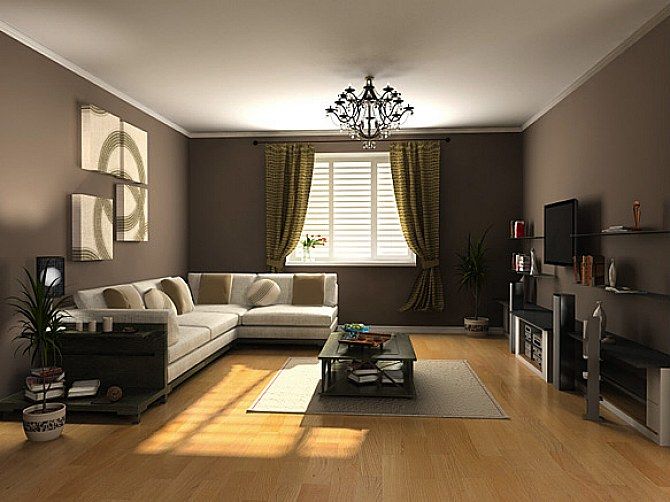
Interiors are more than the walls, ceilings, and floors of a building. They shape how people feel, interact, and live within a space. Interior design brings together creativity, practicality, and psychology to produce environments that are both functional and visually appealing. Whether you are designing a home, an office, or a hospitality venue, the interiors should reflect identity, comfort, and usability.
The Importance of Well-Designed Interiors
A well-planned interior can change the way people perceive and use a space. Interiors are not simply about aesthetics; they influence behaviour, productivity, and mood. For example, soft lighting in a lounge encourages relaxation, while bright and airy layouts in workspaces inspire focus and energy. The right balance of design elements makes interiors both purposeful and inviting.
Key Benefits of Quality Interior Design
-
Enhances lifestyle and daily comfort
-
Increases property value and market appeal
-
Promotes efficient use of space
-
Supports wellbeing through ergonomic and aesthetic design
-
Reflects personal or brand identity
Core Elements of Interior Design
Every interior is built upon certain fundamentals. Understanding these principles ensures balance and harmony.
Space Planning
Space is the foundation of all design. Effective planning divides a room into functional zones, ensuring smooth movement and usability. Open layouts encourage socialising, while compartmentalised designs provide privacy.
Light and Colour
Natural light is the most powerful design tool. It adds warmth, depth, and vitality. Artificial lighting should be layered: ambient for overall illumination, task lighting for focus, and accent lighting to highlight features. Colour schemes influence mood; earthy tones evoke calm, while bold hues create vibrancy.
Texture and Material
The choice of materials—wood, stone, fabric, or metal—adds character. Textures can soften or strengthen the feel of a room. For instance, plush fabrics add comfort to living spaces, while sleek marble enhances elegance.
Furniture and Layout
Furniture defines functionality. Ergonomically designed pieces ensure comfort, while placement determines flow. Too much furniture clutters interiors, whereas minimal layouts create openness.
Decorative Accents
Accessories such as art, plants, rugs, and mirrors complete the design. They bring individuality and a personal touch, turning interiors into a reflection of personality.
Popular Interior Design Styles
Different design styles give interiors a distinct personality. Choosing one or combining several depends on the purpose of the space and personal preference.
Modern Minimalist
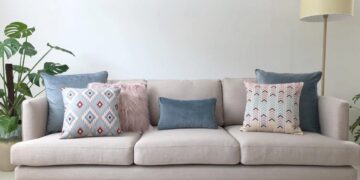
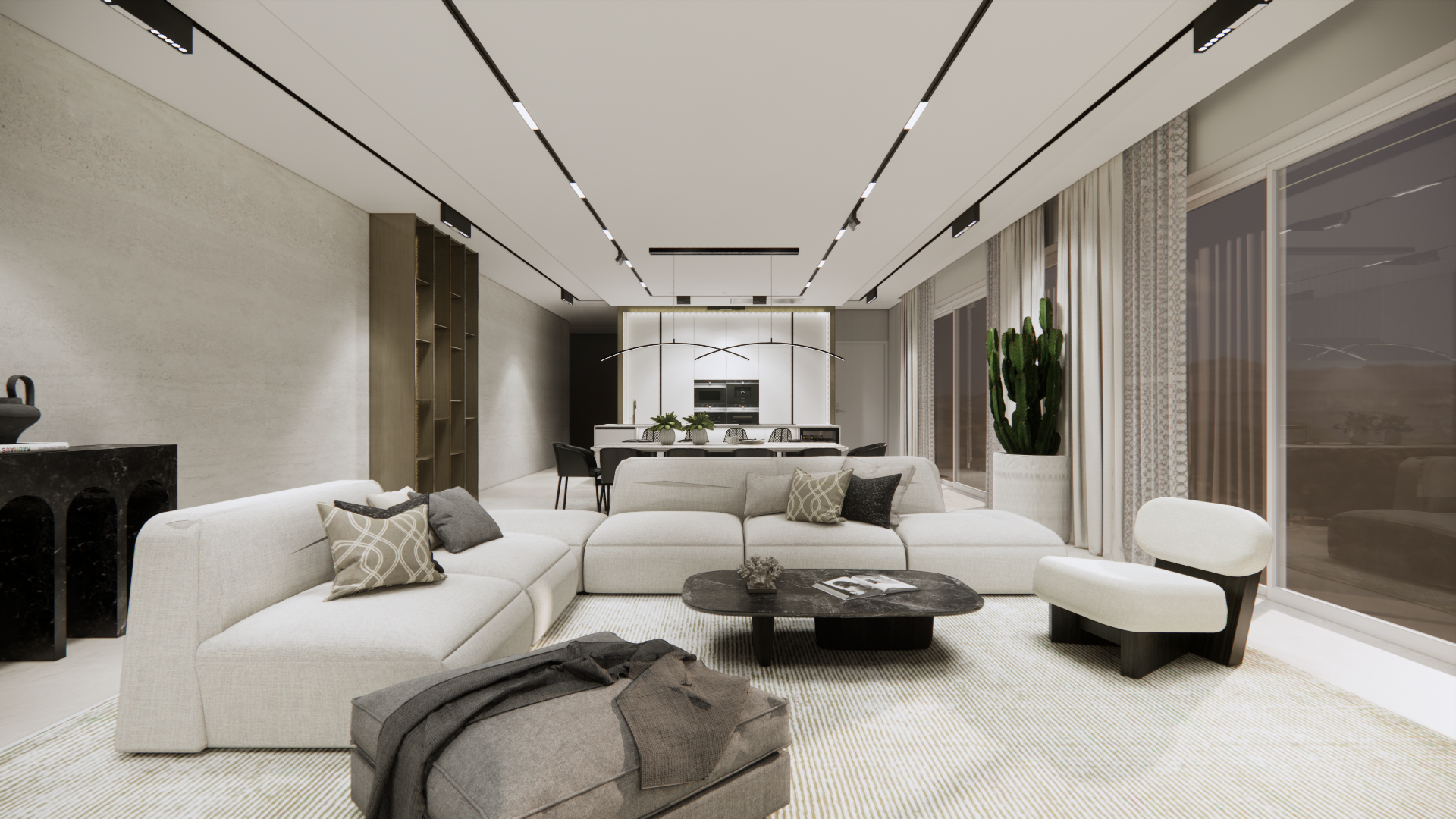
Simplicity and functionality define this style. Neutral palettes, clean lines, and uncluttered layouts create a calm and sophisticated environment.
Classic Elegance
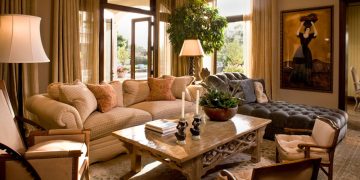
Characterised by rich details, ornate mouldings, and luxurious fabrics. This style reflects timeless grandeur and is often seen in heritage homes.
Industrial
Raw finishes, exposed structures, and utilitarian furniture give this style a rugged charm. It blends practicality with creative flair.
Scandinavian
A mix of comfort, simplicity, and nature-inspired elements. Bright interiors with wooden finishes, cosy textiles, and functional furniture make it highly popular.
Contemporary
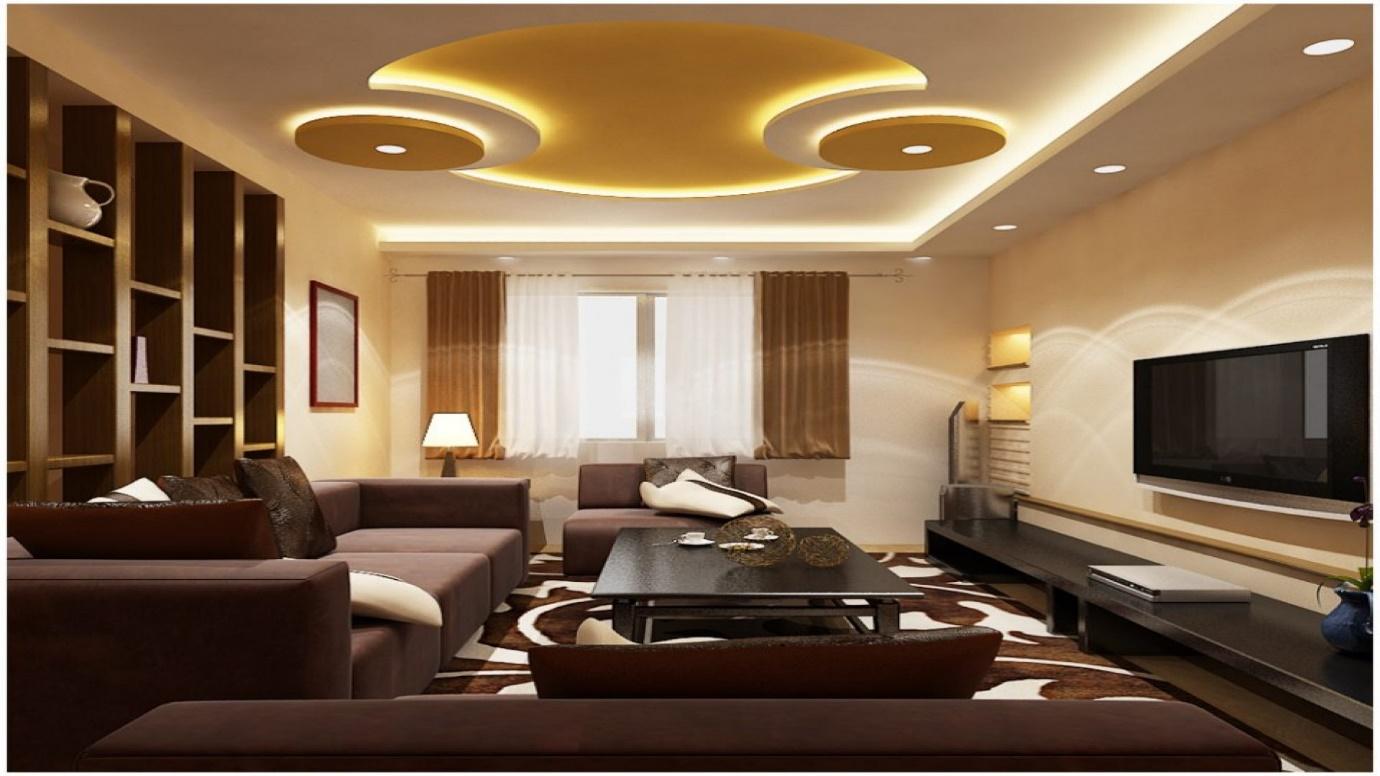
Flexible and ever-evolving, contemporary interiors embrace current trends with a focus on open space, bold statements, and technology integration.
Interiors for Different Spaces
Each type of space demands its own approach to design. What works for a home may not be suitable for a corporate office or a retail environment.
Residential Interiors
Homes require a balance of beauty and comfort. Living rooms should be welcoming, bedrooms restful, and kitchens highly practical. Personalisation is key, ensuring the design resonates with the family’s lifestyle.
Office Interiors
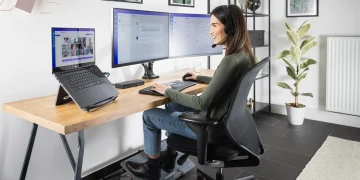
Workplaces need layouts that encourage productivity and teamwork. Open-plan designs foster collaboration, while private cabins maintain confidentiality. Smart storage, acoustics, and ergonomic furniture are essential.
Hospitality Interiors
Hotels, restaurants, and resorts thrive on ambience. Interiors should offer a memorable experience, blending comfort with a strong visual theme that reflects the brand identity.
Retail Interiors
Shops must be designed to influence buying behaviour. Strategic product displays, lighting, and circulation paths encourage customers to spend more time inside.
Emerging Trends in Interior Design
As lifestyles evolve, so do interiors. Modern design focuses on sustainability, technology, and wellbeing.
-
Sustainable Materials: Use of recycled wood, bamboo, and eco-friendly paints.
-
Smart Homes: Integration of automation for lighting, security, and climate control.
-
Biophilic Design: Bringing nature indoors through plants, natural light, and organic materials.
-
Flexible Spaces: Multi-functional rooms that adapt to changing needs.
-
Personalised Interiors: Tailored designs reflecting cultural heritage or individual creativity.
How Interiors Influence Wellbeing
The interiors of a space directly affect mental and physical health. Poorly designed environments lead to stress, clutter, and discomfort. Thoughtfully crafted interiors promote relaxation, creativity, and a sense of belonging. Ergonomics prevents strain, while good lighting supports healthy sleep cycles. Even the choice of colour impacts mood, with soft blues and greens known to reduce anxiety.
Practical Tips for Improving Interiors
-
Start with decluttering to create a sense of openness
-
Choose a colour palette that aligns with the mood you want to create
-
Invest in quality furniture that is both comfortable and durable
-
Use mirrors to enhance natural light and make rooms appear larger
-
Introduce indoor plants for freshness and improved air quality
-
Layer lighting for flexibility across different activities
The Role of Professionals in Interior Design
While many homeowners experiment with interiors themselves, professional interior designers bring a deeper level of expertise. They combine technical skills with artistic vision, ensuring balance, safety, and compliance with building standards. Designers also help manage budgets and timelines, ensuring that the final outcome meets expectations without unnecessary delays or costs.
FAQ Section
What is the difference between interior decoration and interior design?
Interior decoration focuses on styling a space with furniture, colours, and accessories, while interior design involves planning layouts, functionality, and structure alongside aesthetics.
How can I make a small room look larger through interiors?
Use light colours, multipurpose furniture, and strategically placed mirrors. Minimising clutter and maximising natural light also create the illusion of more space.
Are sustainable interiors more expensive?
Not always. While some eco-friendly products cost more initially, they save money in the long run through durability and energy efficiency.
What colours work best for calming interiors?
Soft shades like pastel blues, light greys, and muted greens are ideal for creating a calming and restful environment.
How often should interiors be updated?
It depends on lifestyle and trends, but most people refresh their interiors every 7 to 10 years. Small seasonal changes like textiles or accessories can be made more frequently.
Can technology improve interiors?
Yes, smart lighting, automated temperature control, and integrated security systems enhance comfort, convenience, and efficiency in modern interiors.